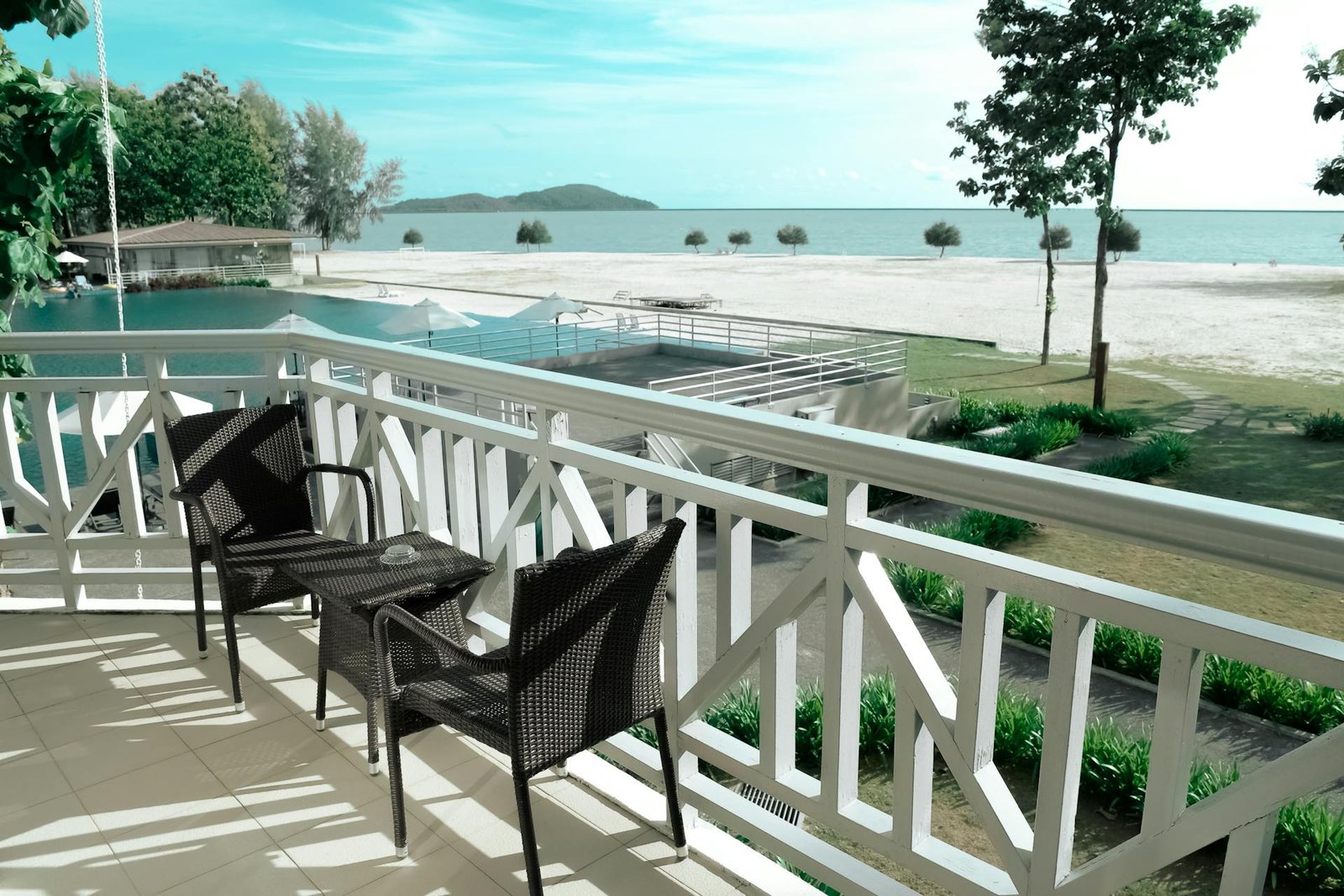
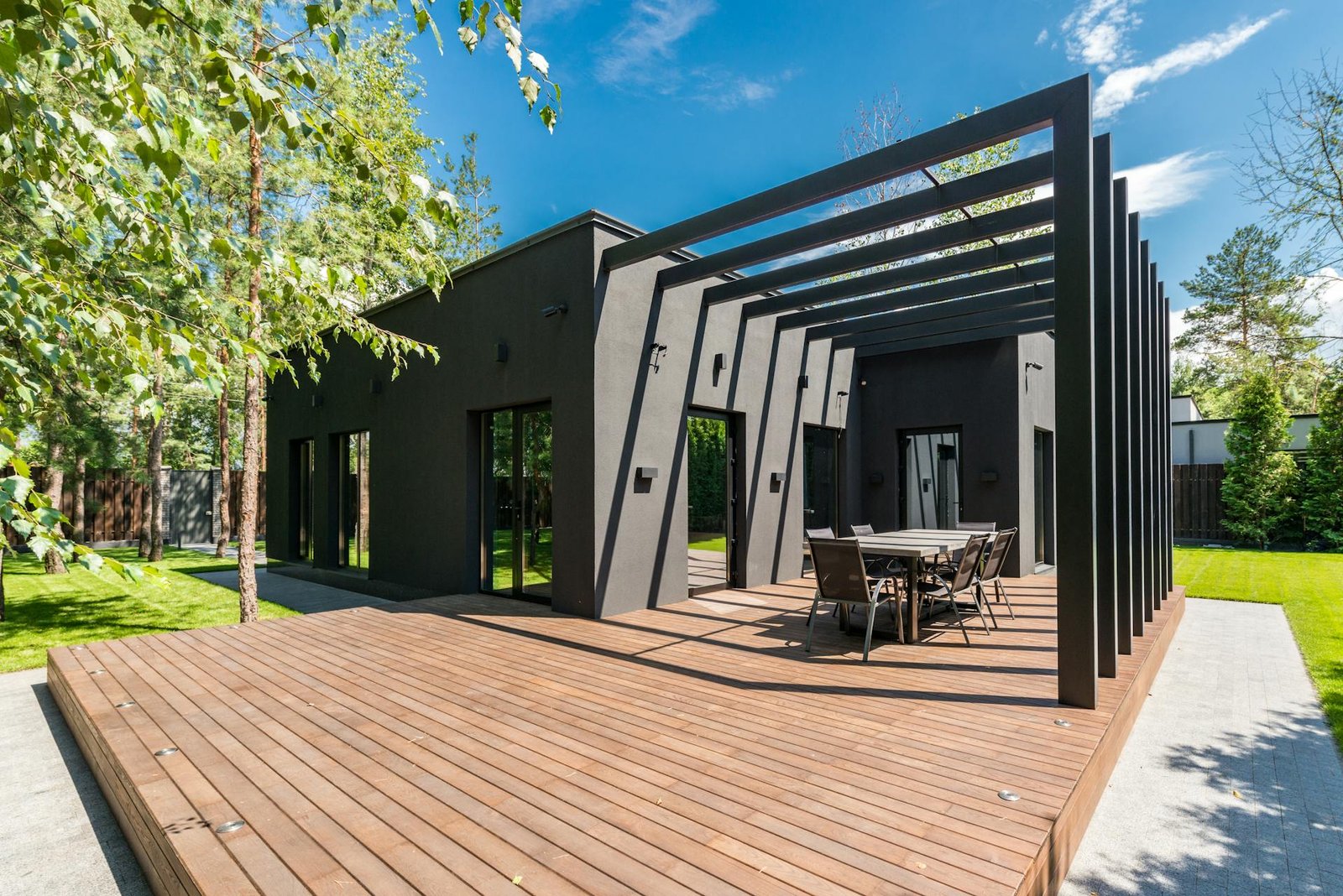
Outdoor furniture is never just about chairs and tables. It’s about building a sanctuary, a stage where life’s simplest yet most unforgettable moments unfold—a Sunday morning coffee with birdsong, a summer evening laughter-filled gathering, or the quiet comfort of watching stars alone in the stillness. Choosing the right outdoor furniture is not simply a design decision—it’s an act of shaping how we live, breathe, and connect.
In this comprehensive guide, we’ll go far beyond generic advice. You’ll not only learn how to choose the best outdoor furniture, but you’ll also come to understand why these choices matter, emotionally and practically. This isn’t about scrolling through catalogs—it’s about creating a timeless extension of your soul in the open air.
1. The Philosophy of Outdoor Living
Before you measure spaces or compare materials, pause. Ask yourself: What do I want my outdoor space to mean?
Outdoor furniture is not furniture in the traditional sense. Indoors, we often design for function and aesthetics; outdoors, we design for experience. The patio is not merely a deck; it’s a second living room with no ceiling. A garden bench is not a seat; it’s a witness to conversations, secrets, and dreams.
When you choose outdoor furniture, you are, in essence, curating an environment for emotions. Do you want warmth and gathering? Solitude and reflection? Energy and vibrancy? Or a blend of all? Understanding your emotional intention will anchor every choice you make.
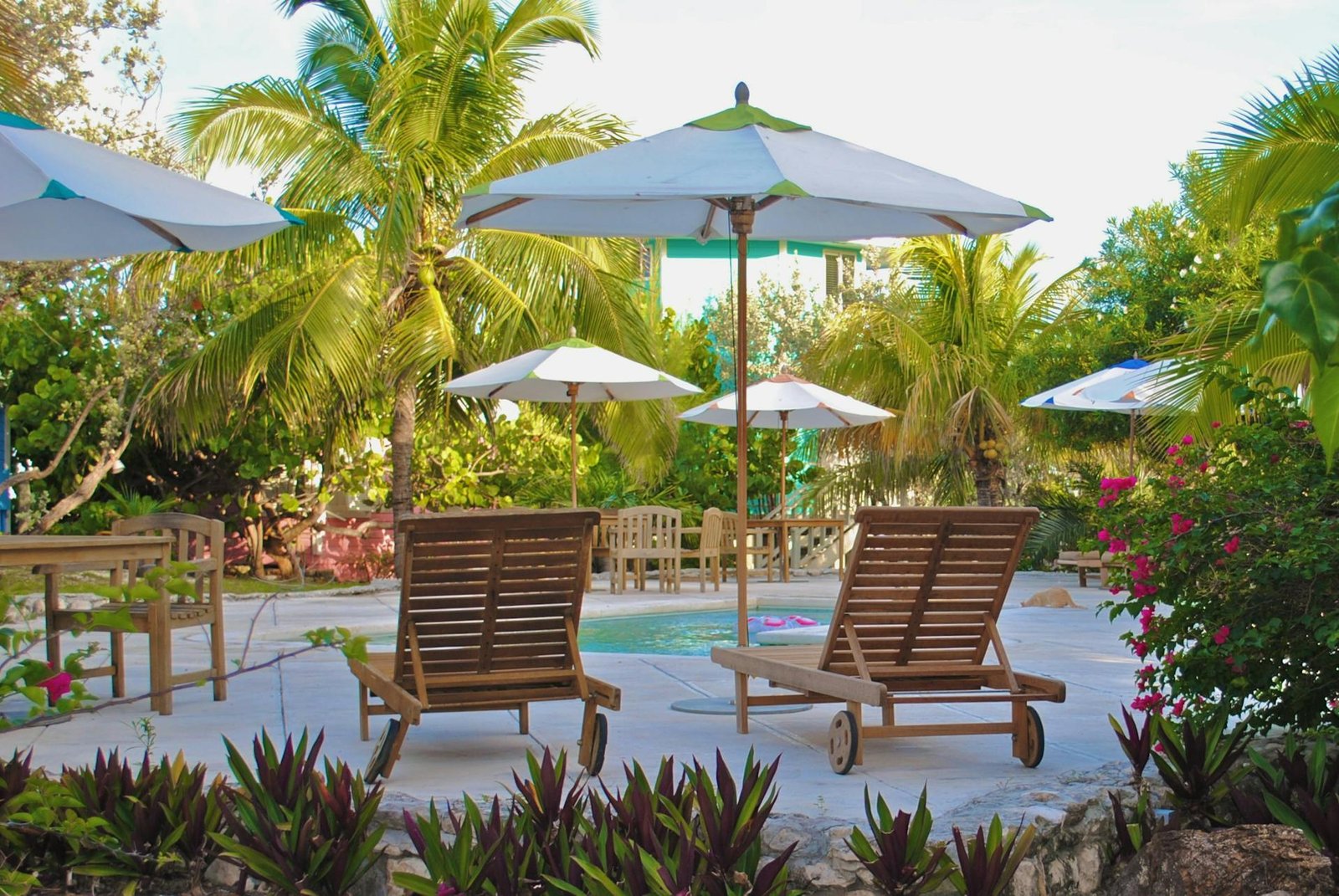
2. Materials That Withstand Time and Tell Stories
The first technical decision is material, yet this choice goes beyond practicality—it defines the soul of your outdoor space.
Teak: The Story of Resilience
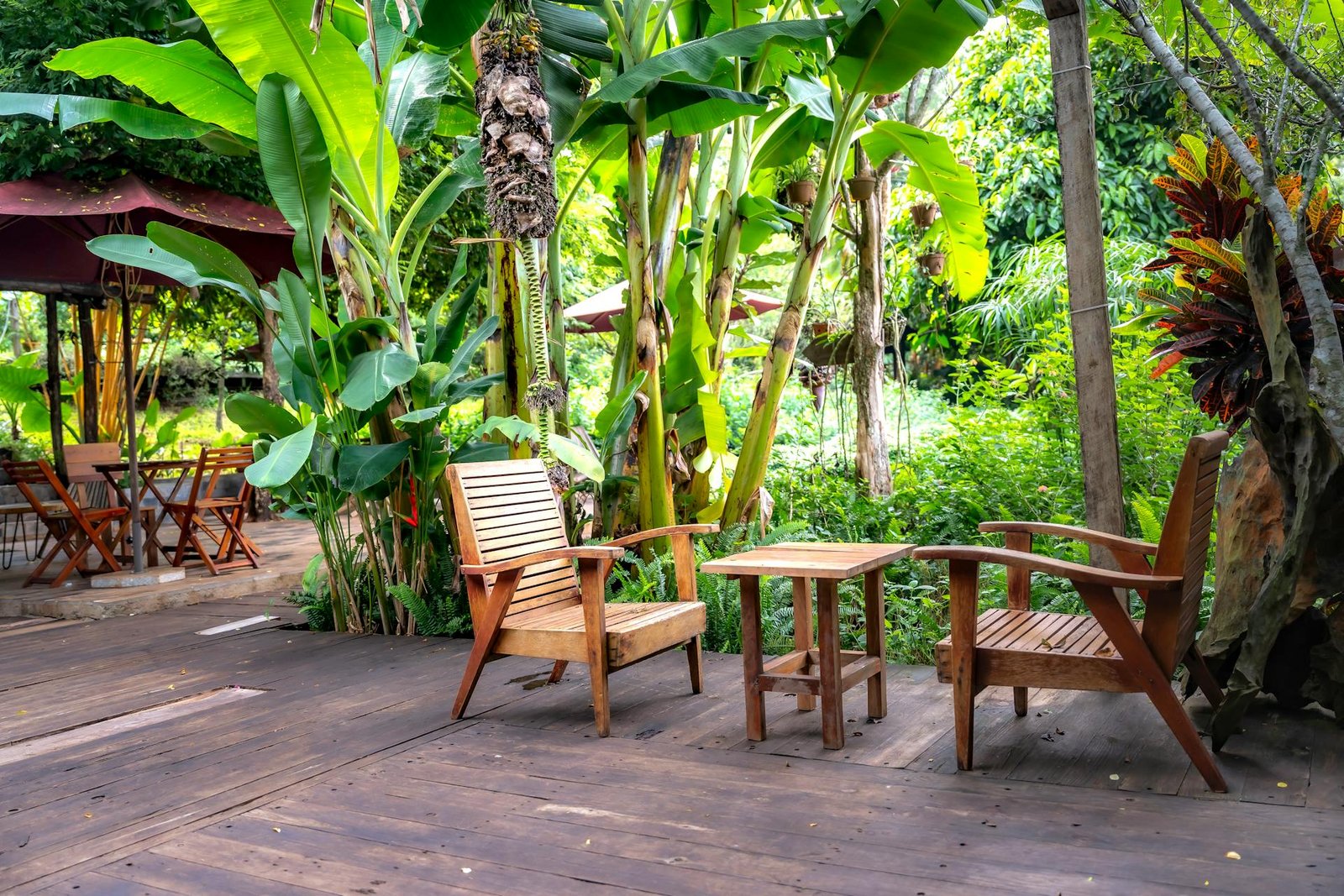
Teak is the monarch of outdoor materials. Resistant to rain, sun, and time, it develops a silvery patina as it ages. Each weathered layer is not decay—it’s memory, like wrinkles on a beloved face. Teak furniture is an heirloom, meant to outlive trends.
Wrought Iron: The Poetry of Strength
Iron, sculpted into intricate forms, speaks of tradition and permanence. It withstands decades, but it carries weight—literally and visually. When painted in deep blacks or antique whites, it transforms gardens into timeless havens.
Aluminum: The Whisper of Modernity
Aluminum is light, resistant, and versatile. It doesn’t rust, and its sleek finish speaks to modern minimalism. Unlike teak or iron, aluminum doesn’t age with stories—it stays youthful, almost defying time.
Rattan and Wicker: The Language of Comfort
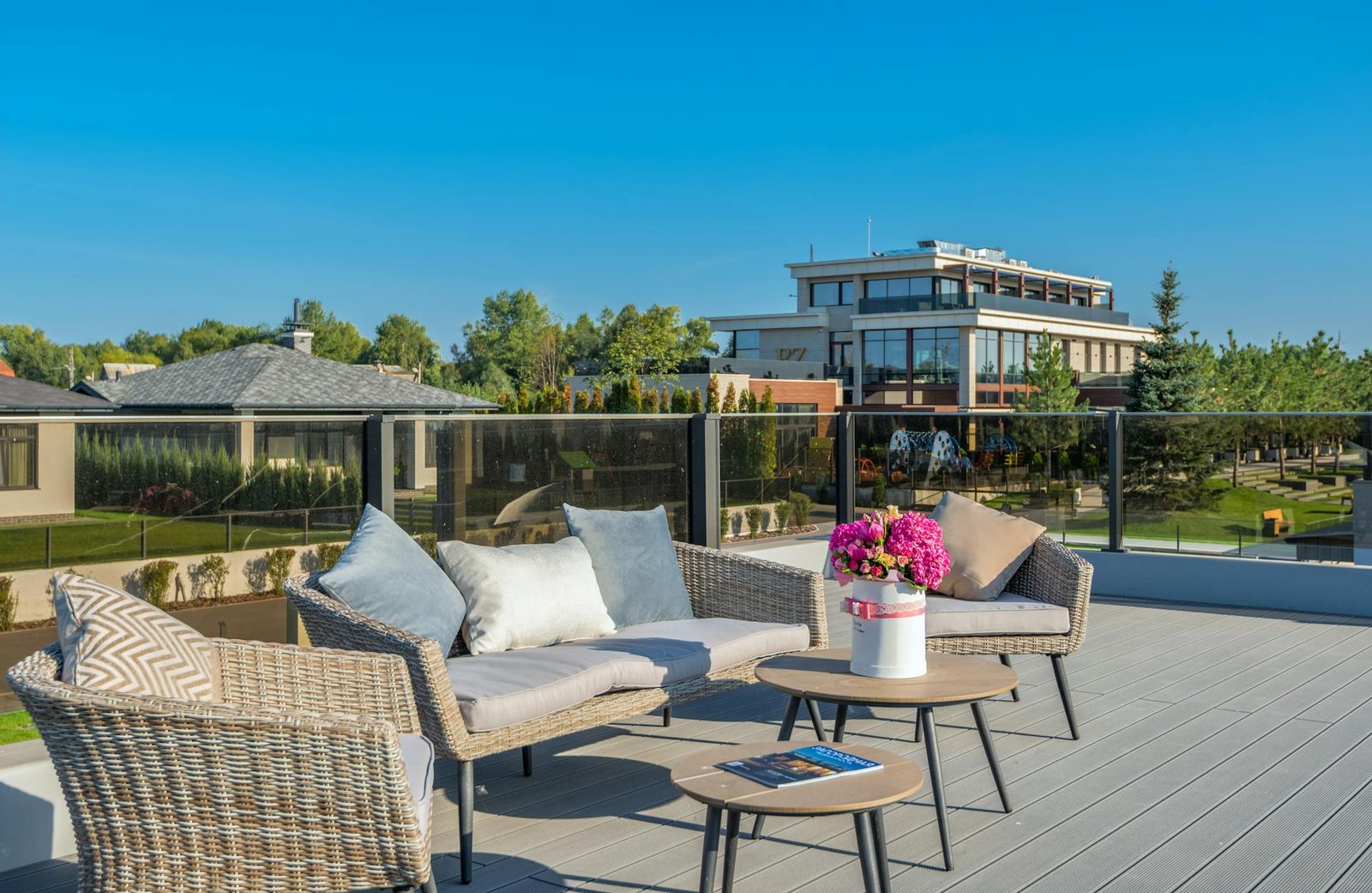
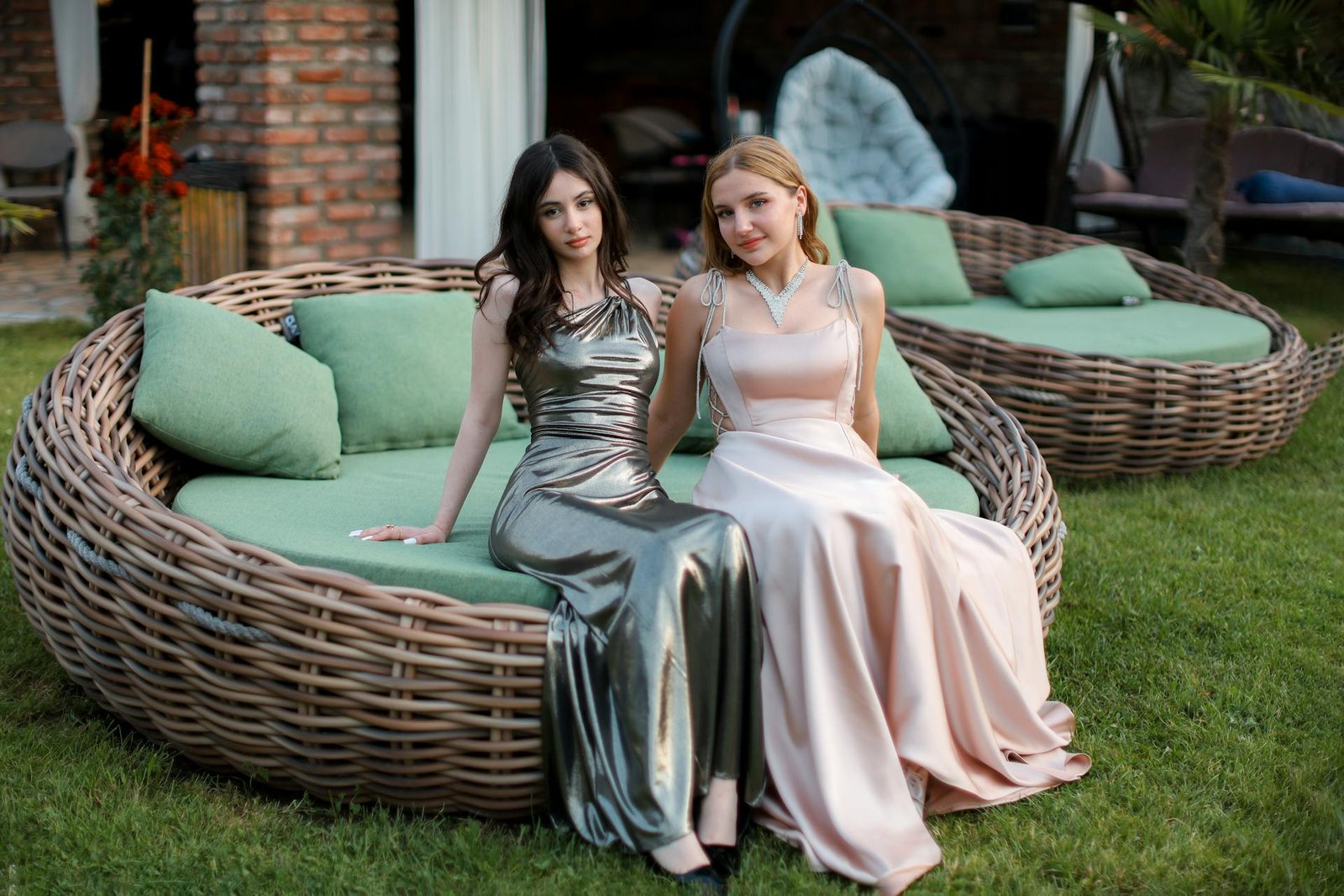
Synthetic wicker gives you the warmth of woven textures without the fragility of natural rattan. These pieces invite relaxation, symbolizing hospitality. They don’t demand formality—they invite you to sink, lounge, and exhale.
Concrete and Stone: The Weight of Permanence
Not all furniture must move. Concrete benches and stone tables evoke ancient permanence, connecting modern life with timeless earth. These are not just seats—they are monuments, steadfast through seasons.
Each material is not just a practical choice; it is a narrative decision. Your outdoor space will carry its voice.
3. Comfort: The Non-Negotiable Element
A chair is only as good as the time you’re willing to spend in it. Outdoor comfort is unique—it must balance softness with resilience.
- Cushions: Choose weather-resistant fabrics like Sunbrella. But don’t just think about water resistance—think about touch. The skin remembers textures. Choose fabrics that invite the body rather than repel it.
- Ergonomics: Lounge chairs should cradle, not strain. Dining chairs should invite both meals and conversations. Test before you buy—comfort is not visible, it is felt.
- Shade & Shelter: Comfort isn’t only seating—it’s also the umbrella, the pergola, the awning. Outdoor furniture thrives when shielded. Comfort is holistic, not isolated.
The best outdoor furniture doesn’t just look comfortable—it compels you to linger.
4. Style: A Reflection of Soul
Outdoor furniture carries style in a different way than indoor furniture. Outside, style breathes with nature.
- Minimalist: Sleek lines, aluminum frames, monochromatic palettes. Best for those who find beauty in simplicity.
- Rustic: Teak, distressed wood, woven textures. Perfect for spaces meant to feel earthy and grounded.
- Mediterranean: Whitewashed frames, blue cushions, wrought iron. Evoking seaside breezes and olive groves.
- Bohemian: Bright textiles, layered patterns, floor cushions, hammocks. For spaces that sing with freedom.
- Classic Elegance: Iron benches, lanterns, marble-topped tables. Outdoor living as if it were a timeless estate.
Ask yourself: Does my outdoor space reflect my identity—or does it challenge me to explore new facets of it?
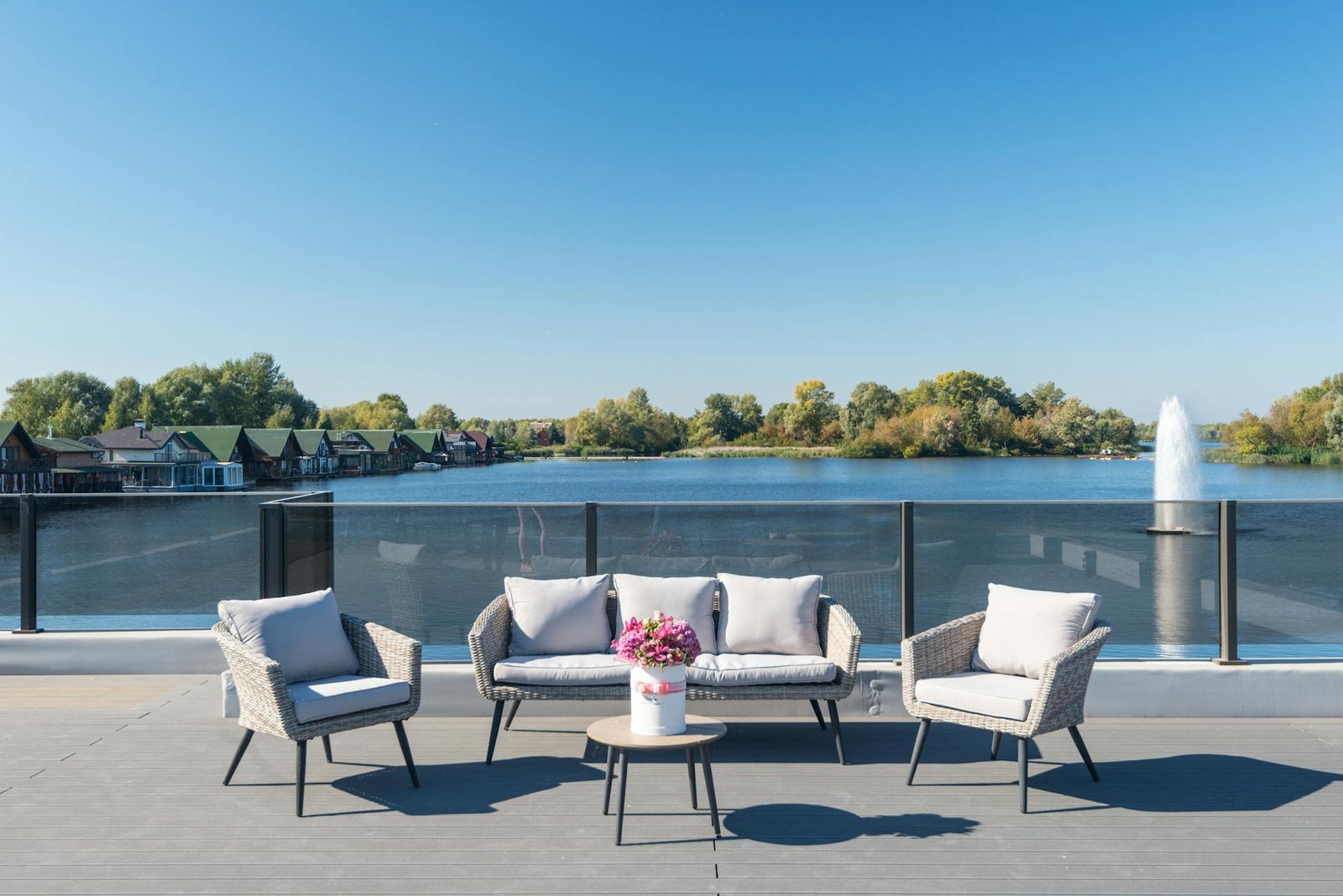
5. Durability and Climate Awareness
No matter how beautiful, furniture must survive the elements. Match your choices to your climate:
- Humid Regions: Opt for synthetic wicker, aluminum, or treated teak. Natural rattan will decay quickly.
- Hot and Sunny: UV-resistant fabrics are essential. Metals that heat up may require cushions or covers.
- Cold Winters: Foldable or stackable furniture allows for easy storage. Materials like aluminum and resin resist cracking.
- Windy Areas: Lightweight aluminum may blow away—choose heavier bases or anchor furniture securely.
Durability is not just about material—it’s about harmony with the environment.
6. Functionality: Spaces That Adapt
The best outdoor furniture adapts to the rhythms of your life.
- Extendable Tables: For the unexpected dinner guests.
- Stackable Chairs: For when the party ends and storage begins.
- Modular Sofas: For those who like to rearrange life, not just furniture.
- Multi-Use Ottomans: As footrests, tables, or hidden storage.
Good furniture listens. It changes with you.
7. The Art of Layering
Outdoors, layering isn’t just about design—it’s about emotion.
- Rugs: Define spaces, add warmth. A patio rug makes an outdoor lounge feel like a true living room.
- Lighting: String lights, lanterns, solar lamps. Light creates atmosphere; it transforms wood and iron into magic after dusk.
- Textiles: Throws, pillows, cushions. They soften the line between indoors and outdoors.
- Plants: Furniture is incomplete without living companions. A bench beneath a tree, a table surrounded by pots—the synergy of wood and leaf completes the narrative.
Layering makes spaces unforgettable.
8. Sustainability: Responsibility as Beauty
Outdoor furniture is part of the planet, not separate from it. Choosing responsibly sourced wood, recycled metals, or eco-friendly fabrics is not just ethical—it enhances meaning. When you sit in a sustainably made chair, you know it doesn’t cost the earth its breath.
Sustainability isn’t about guilt—it’s about creating spaces where beauty and conscience coexist.
9. Budget: The Balance of Vision and Reality
Outdoor furniture ranges from budget-friendly plastic to luxury-grade teak. The key is balance.
- Invest in longevity: A high-quality teak chair is better than five disposable ones.
- Save on accessories: Rugs, pillows, and lighting can be refreshed seasonally without heavy investment.
- Prioritize by use: Spend more on the pieces you’ll use daily (lounge chairs, dining tables) than occasional accents.
Budgeting is not about restriction—it’s about wise investment in your future moments.
10. Emotional Impact: The Unseen Value
At its core, outdoor furniture isn’t about furniture. It’s about memory.
- The chair where your child first learns to read.
- The table that hosts birthday candles blown out against a summer wind.
- The hammock that held you during heartbreak and healing.
Choosing outdoor furniture means choosing future memories. Every material, every style, every cushion is an invitation for life to unfold.
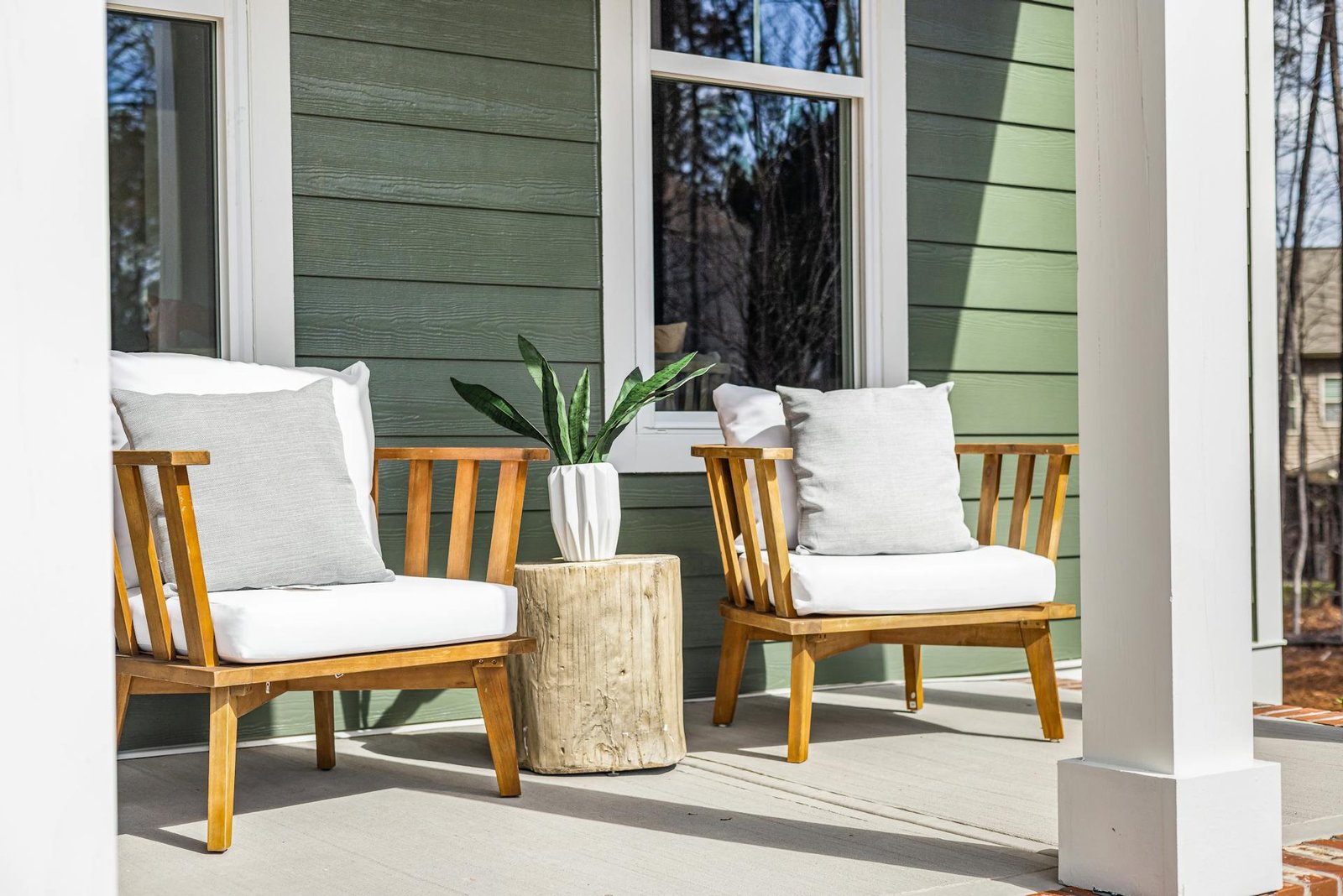
Conclusion: A Living Masterpiece
The best outdoor furniture is not the most expensive, the most stylish, or the most durable—it is the one that allows you to live more fully beneath the open sky.
To pick outdoor furniture wisely is to understand that you are not simply decorating—you are composing. A table is not a table—it is where laughter gathers. A bench is not a bench—it is where silence heals.
So, when you choose, choose deeply. Look beyond catalogs, beyond trends, beyond practicality. Ask: What life will I create here? Because outdoor furniture, at its best, is not furniture. It is the architecture of memory.