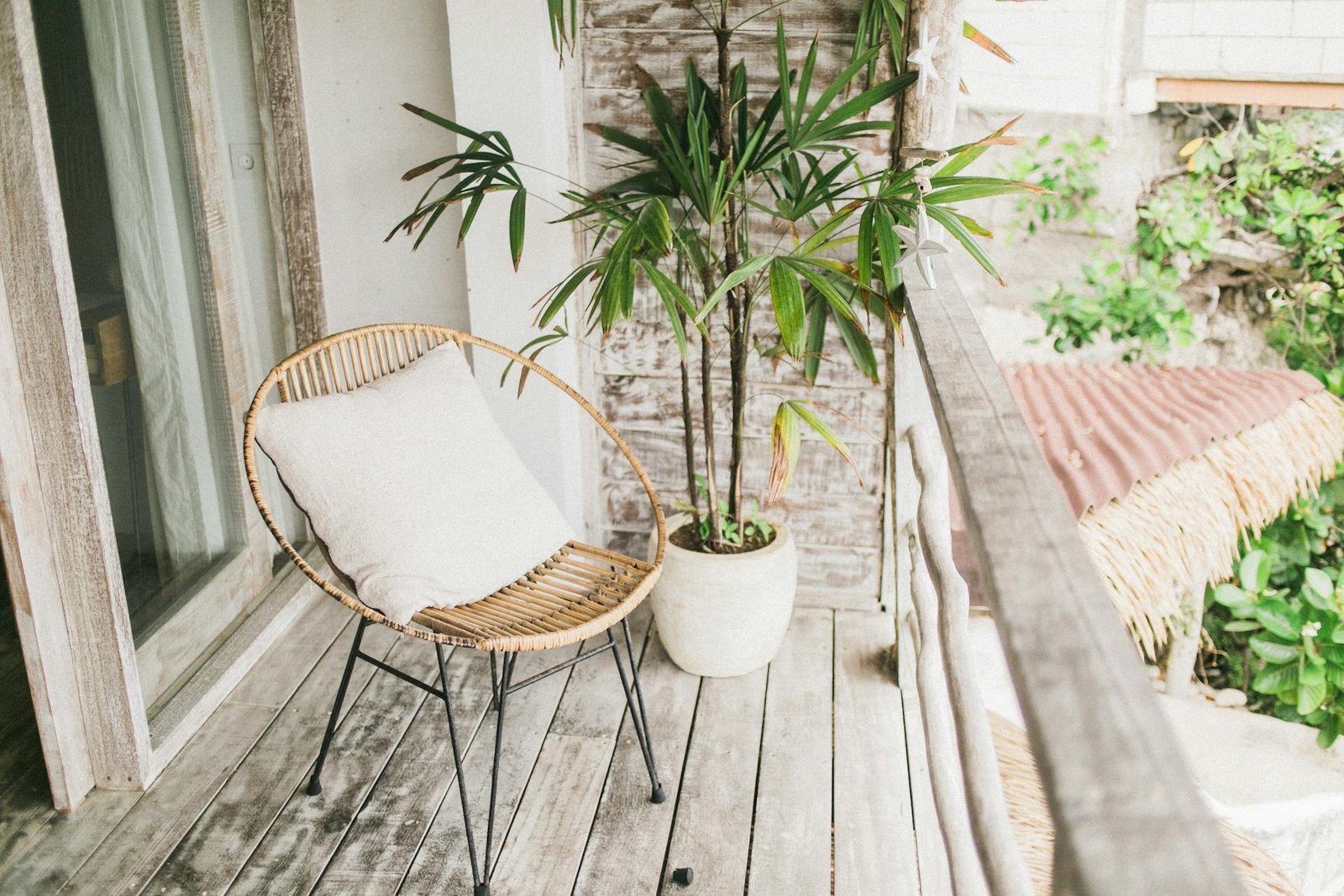

Interior design is often mistaken as a luxury—an aesthetic layer applied to homes, offices, or public spaces, like a coat of paint to make things “look nice.” But when stripped of clichés and commercial gloss, interior design reveals itself to be something much deeper: a reflection of the human spirit, an intimate form of storytelling, and a powerful medium through which we shape how we live, feel, and connect.
To talk about the beauty of interior design is not merely to admire color palettes or praise minimalist layouts. It is to understand how space affects our psychology, how form follows emotion, and how even the smallest design decisions can quietly change the quality of life. True beauty in interior design does not scream. It whispers, guides, and supports. It is not only what we see—it is what we feel.
I. Space as a Mirror of the Self
We begin with the fundamental truth: the spaces we create are mirrors. Walk into anyone’s home, and you’ll see their history, their fears, their joys, their aspirations—even if they didn’t design the space consciously. The books on a shelf, the objects on a windowsill, the placement of a favorite chair near sunlight—these are personal truths rendered in spatial form.
Interior design, at its most beautiful, embraces this subjectivity. It does not impose a rigid standard of what “good” looks like. Instead, it asks: Who are you, and what do you need from your space? For a single parent, beauty may lie in a multifunctional kitchen where meals, homework, and stories converge. For an artist, it might be an open studio that breathes with light and silence. The best designs do not only reflect the person—they support and elevate them.
The true beauty of interior design lies in its empathy. It listens before it transforms.
II. The Psychology of Space: How Design Shapes Emotion
We are all, whether we realize it or not, in constant dialogue with our surroundings. The ceiling height of a room can expand or compress your thoughts. The texture of a wall can soothe or jar your nerves. The placement of furniture can encourage intimacy—or isolate.
Neuroscience confirms what designers have long intuited: space changes brain chemistry. Natural light reduces cortisol levels. Curved furniture is perceived as safer and more welcoming than sharp angles. Enclosed nooks offer psychological refuge in a fast world. Even color holds emotional weight—soft greens and blues can lower heart rates, while saturated reds may energize or overwhelm.
But beauty in interior design doesn’t mean copying a color psychology chart from a magazine. It means designing with intention, with awareness of human needs—comfort, stimulation, sanctuary, inspiration.
Design isn’t neutral. It’s emotional architecture. And when done with care, it can become an invisible force of healing.
III. Texture, Light, and the Poetry of Detail
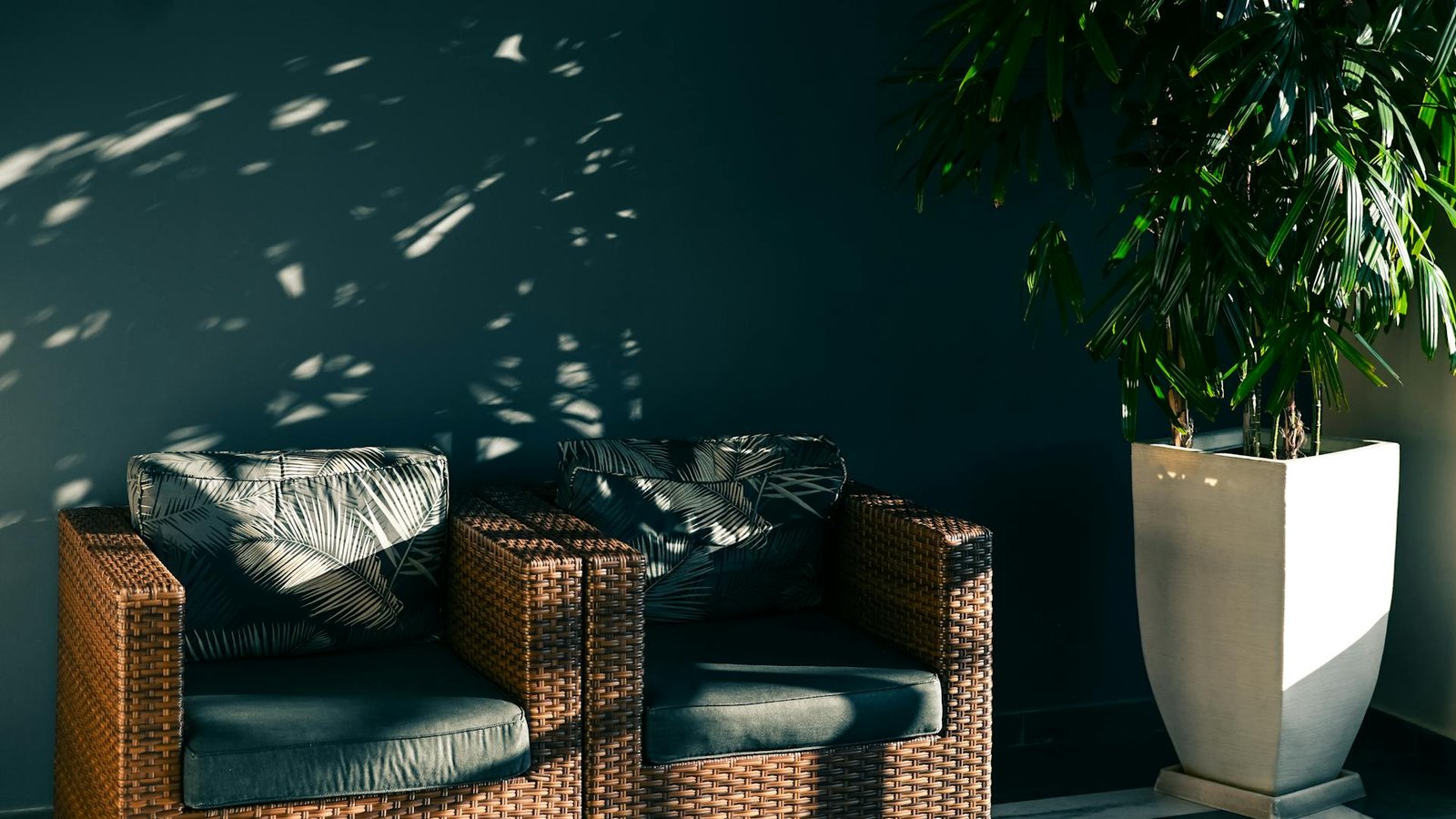
Too often, people think of interior design in terms of big elements: couches, tables, tiles, paint. But the beauty often hides in the subtleties. The warmth of aged wood under bare feet. The weight of linen curtains swaying in morning wind. The way soft lighting pools around a reading chair at dusk. These are not accidents—they are crafted experiences.
Texture, for instance, is an unsung hero in interior design. It provides tactile emotion. A velvet pillow invites touch. A rough brick wall adds visual contrast and rawness. A concrete floor cools the skin and grounds a space. When designers layer texture well, they orchestrate an almost musical feeling—where the eye moves, the hand lingers, and the soul settles.
And then there’s light. Natural light, especially, is a silent architect. It shifts across the hours, casting mood and meaning into rooms. Designers who understand this treat windows not as voids, but as instruments. They frame views like paintings. They soften morning light with gauze and open a ceiling to bring the stars indoors.
There is a quiet poetry in such choices. They are not loud, but they are deeply felt. In this poetry, design becomes art.
IV. Cultural Soul: Design as Memory and Identity
Every culture has its own language of space. The Japanese tokonoma—a raised alcove in a room for treasured art. The Moroccan riad with its inward courtyard and central fountain. The Scandinavian emphasis on simplicity, light, and hygge. These are not just stylistic motifs—they are values materialized in physical form.
In our globalized, modern world, many of these traditions blur or fade. But beauty in interior design often comes from honoring heritage, anchoring a space in cultural memory. A grandmother’s carved table in a modern kitchen. An African textile draped over a sleek sofa. A Thai spirit house near the entrance of a high-rise apartment. These elements resist homogenization and return design to its roots: a way of telling where we come from.
When we include objects of memory and meaning, we imbue our homes with soul. They become not just spaces we inhabit, but stories we live within.
V. Function is Beauty, Too
Form and function—those old adversaries—are finally finding peace. In truth, they were never at odds. A beautiful space that frustrates its user is a failure. But when function is designed beautifully, it becomes invisible. It supports us, quietly, gracefully, without calling attention to itself.
Consider a well-designed kitchen drawer that slides out smoothly, organizing utensils with subtle dividers. Or a bedroom that buffers sound with layered textiles. Or an open-plan living room where pathways flow naturally, where conversation, movement, and rest can coexist.
These designs might never win awards. But they win something more intimate: the user’s gratitude, every day.
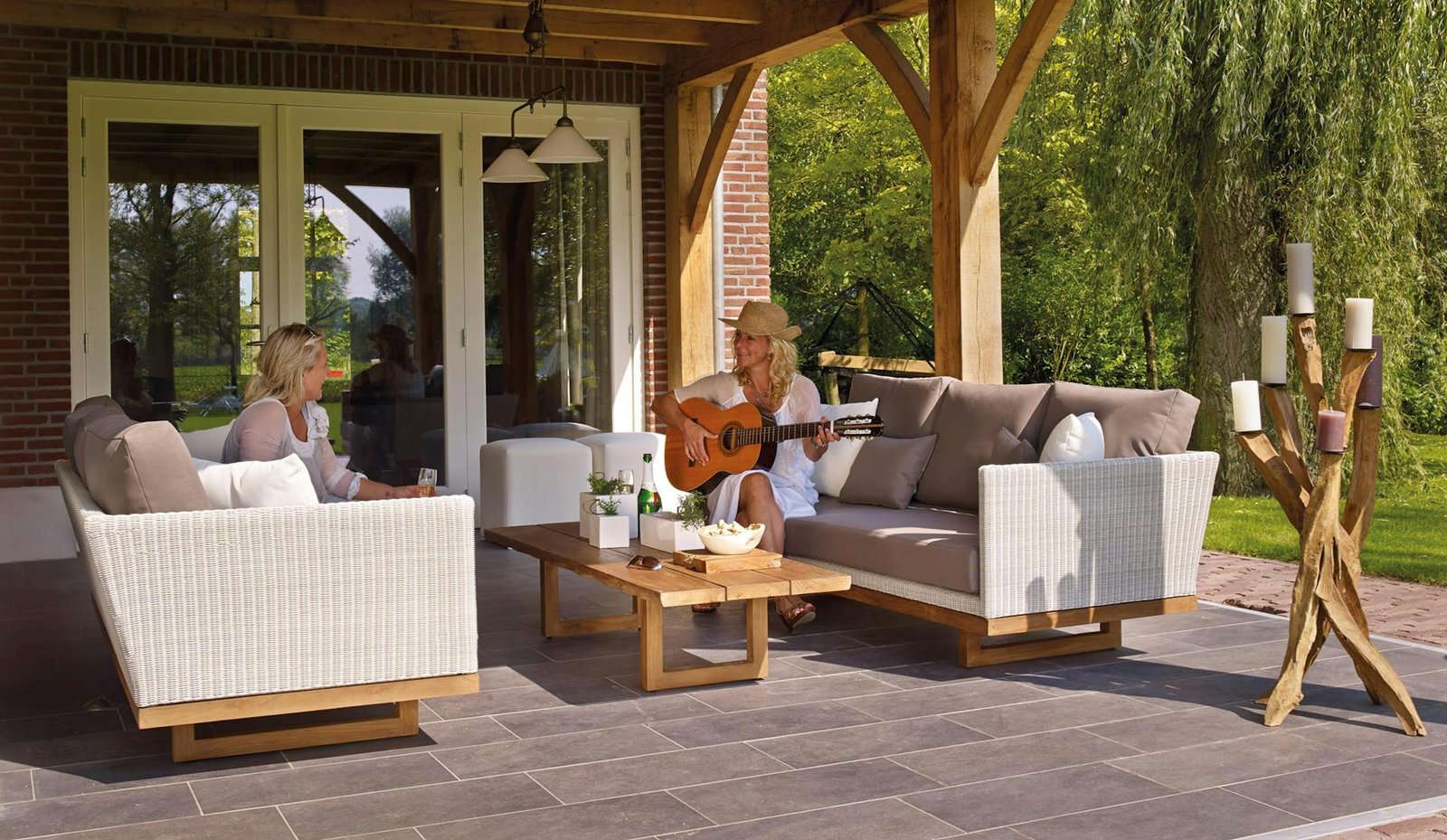
Beauty is not always bold. Often, it hides in convenience, in harmony, in ease.
VI. Sustainability and the Ethics of Design
In today’s world, no conversation about beauty in design is complete without addressing sustainability. The era of disposable decor, trend-chasing, and thoughtless consumerism has left scars—on the environment and on our sense of authenticity.
There is a growing return to principles of longevity, repair, local craftsmanship, and reuse. Reclaimed wood, vintage furniture, modular pieces built to evolve. These aren’t just choices—they are philosophies.
A beautiful space is one that respects its context—ecological, historical, social. It resists the allure of the new for its own sake. It asks: What lasts? What matters?
This is where ethics and aesthetics intertwine. A bamboo floor sourced responsibly. A handmade lamp supporting artisan communities. A home insulated not only for comfort but for energy efficiency. In such spaces, beauty is layered with purpose.
VII. The Role of Stillness and Silence
We live in a noisy world—visually, mentally, emotionally. One of the most powerful things a space can offer is stillness. Not emptiness, but intentional calm.
Interior design can be a form of quiet resistance. Against overstimulation, against distraction, against the frantic pace of modern life.
When done well, a space can become a sanctuary. A place where the eyes rest. Where the breath slows. Where the soul, unprovoked, begins to unfurl.
Minimalism is one way to achieve this—but not the only way. Stillness can be found in a richly layered library, in a cozy corner, in a home that reflects genuine personality instead of curated trends.
The beauty of such spaces is internal. They may not photograph well. But they feel right.
VIII. Design as a Dialogue
Interior design is never static. A room lives because people live in it. They change, and the space evolves. That vase is moved. That chair gains a throw blanket. A child grows, and a crib becomes a desk. These changes are not imperfections—they are life.
Designers who understand this build flexibility into their work. They allow for reinterpretation. They design with people, not just for them.
And for those of us designing our own spaces—room by room, year by year—the process is a dialogue. We try something. We live with it. We learn. We adjust. This is not failure. This is the dance of co-creation.
True beauty in interior design lies in this openness. The space is never “finished.” It is always becoming.
IX. Why It Matters
Some still ask, “But why care so much? Isn’t it just a room?”
To which the answer is: your room is where you wake up. Where you cry. Where you heal. Where you laugh with friends. Where your children grow. Where your dreams form.
Our surroundings influence our sense of safety, possibility, comfort, even our identity. A neglected space can make a person feel unworthy. A well-loved space can restore dignity.
Interior design is not decoration. It is a form of care.
Care for ourselves, for each other, for the world we inhabit.
And that—at its core—is why it is so deeply beautiful.