When we think of “home,” our minds often drift indoors—to the warmth of a living room, the softness of a bed, or the familiarity of a kitchen. But the true soul of a home doesn’t end at the walls. It spills outward, onto porches, patios, balconies, and gardens—those in-between spaces where architecture kisses the sky, where air and light become part of the furniture. Outdoor spaces are not just functional. They are canvases waiting for us to paint our stories on them.
Decorating outdoor furniture, then, is not a trivial act of arranging cushions or setting down a table. It is the art of giving voice to the quiet corners of our lives. It is about taking wood, metal, or wicker, and weaving into them the warmth of human presence. To decorate outdoor furniture is to create belonging, not only for ourselves but for every guest, every breeze, every fragment of sunlight that dares to enter the space.
This guide is not simply a manual; it is an invitation to transform outdoor furniture into a living poem. Below, we will dive into principles, techniques, inspirations, and soulful perspectives to help you decorate with authenticity and unforgettable charm.
1. Begin with Intention, Not Objects
Before you even purchase a single chair cushion or lantern, pause and ask yourself: What do I want this space to mean?
Outdoor furniture is not just furniture. A bench can be solitude. A table can be communion. A hammock can be escape. Decorating begins with intention, not color swatches.
- Is your goal relaxation? Opt for soft, low-slung seating, hammocks, and muted palettes.
- Is your goal social gathering? Choose generous dining sets, benches with wide arms, and colors that spark energy.
- Is your goal aesthetic beauty? Prioritize materials, textures, and artistic arrangements that make the furniture itself a sculpture.
Intention anchors every decision. Without it, decoration risks becoming superficial. With it, every detail breathes coherence.
2. The Emotional Power of Material
Furniture materials whisper stories. Wood carries warmth, metal offers resilience, wicker sings of tradition, and stone speaks permanence. To decorate outdoor furniture well, respect what the material already offers.
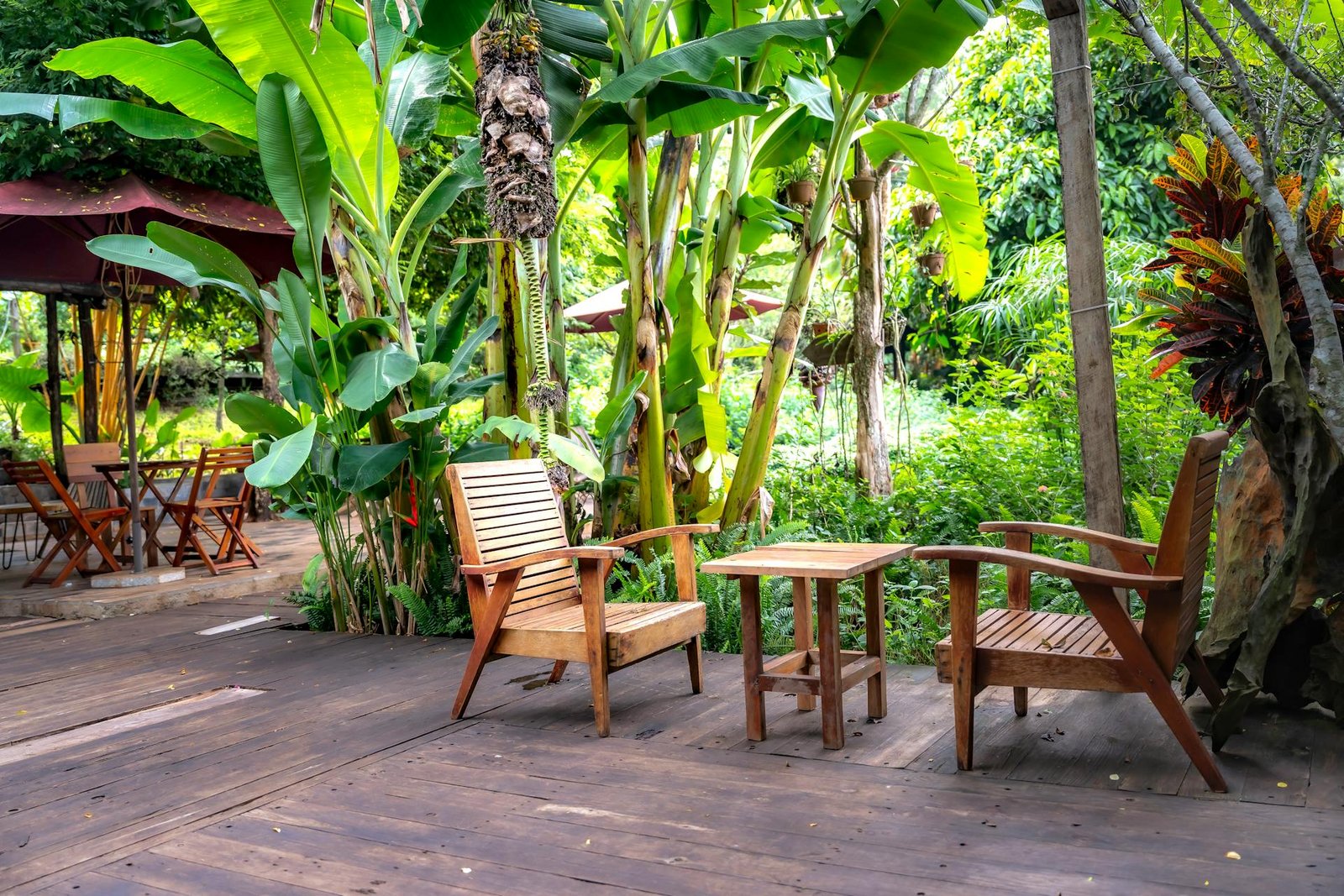
- Wooden furniture loves textiles. Cushions in earthy tones, woven throws, or hand-dyed fabrics complement wood’s organic soul.
- Metal furniture thrives with contrast. Add softness—thick cushions, velvet outdoor fabric, or round shapes that counter its rigidity.
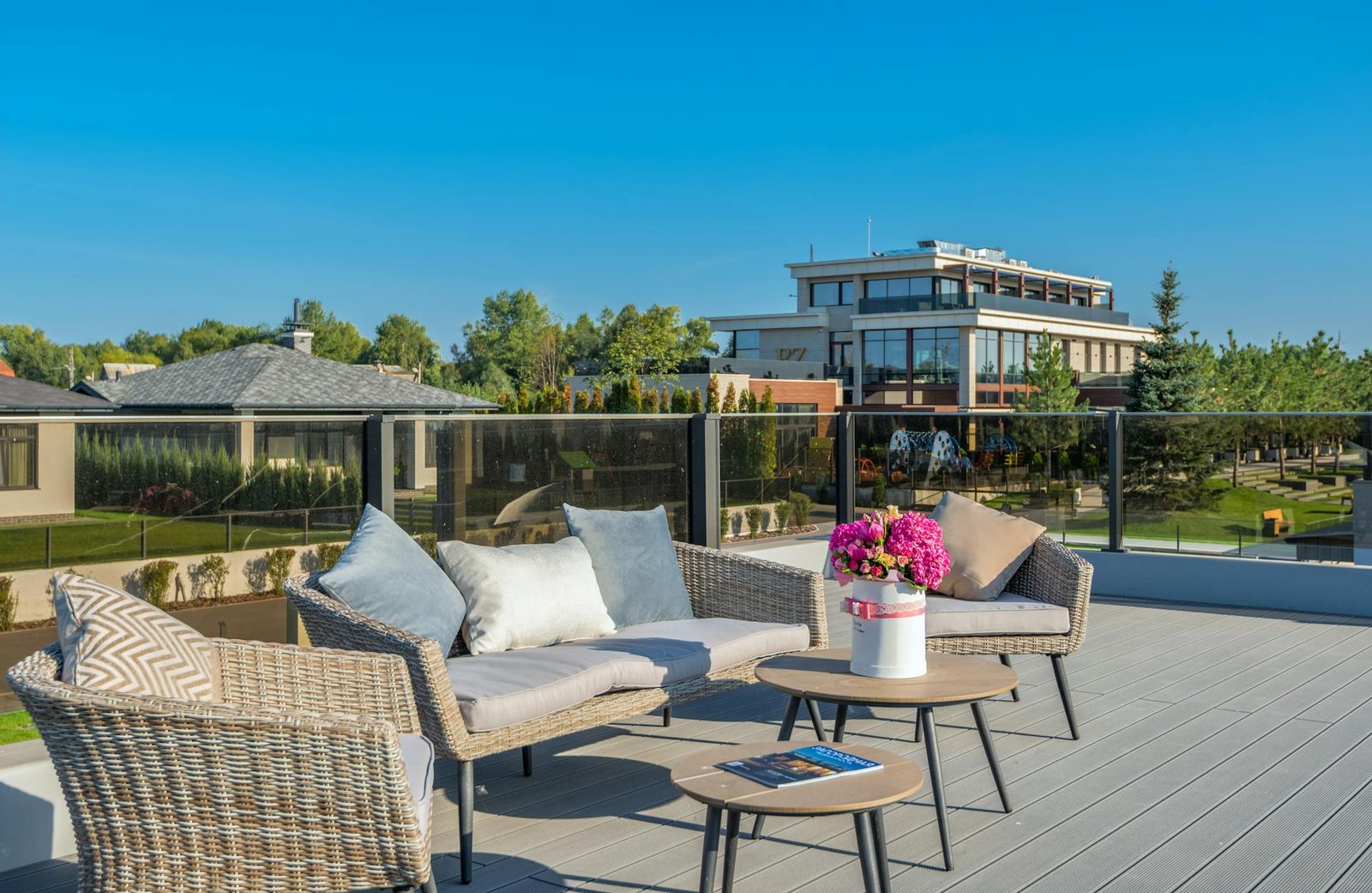
- Wicker or rattan feels at home with breezy, coastal palettes—whites, blues, sandy tones—but can also surprise when paired with jewel colors like emerald or ruby.
- Stone or concrete requires warmth. Use candles, wood trays, or plants to prevent sterility.
Think of it like friendship: you don’t force a friend to be what they’re not. You honor their strengths, while gently complementing them.
3. Color as the Breath of the Outdoors
Outdoor decoration demands courage with color. Nature itself is fearless—a blazing sunset, the green chaos of a forest, the quiet pastels of morning dew. Use this boldness as your cue.
- Neutral foundations. White, beige, or gray furniture allows cushions, throws, and plants to shine without overwhelming the eye.
- Bold accents. Pick one or two accent colors—mustard yellow, emerald green, cobalt blue, or terracotta red—and repeat them in cushions, lanterns, or planters.
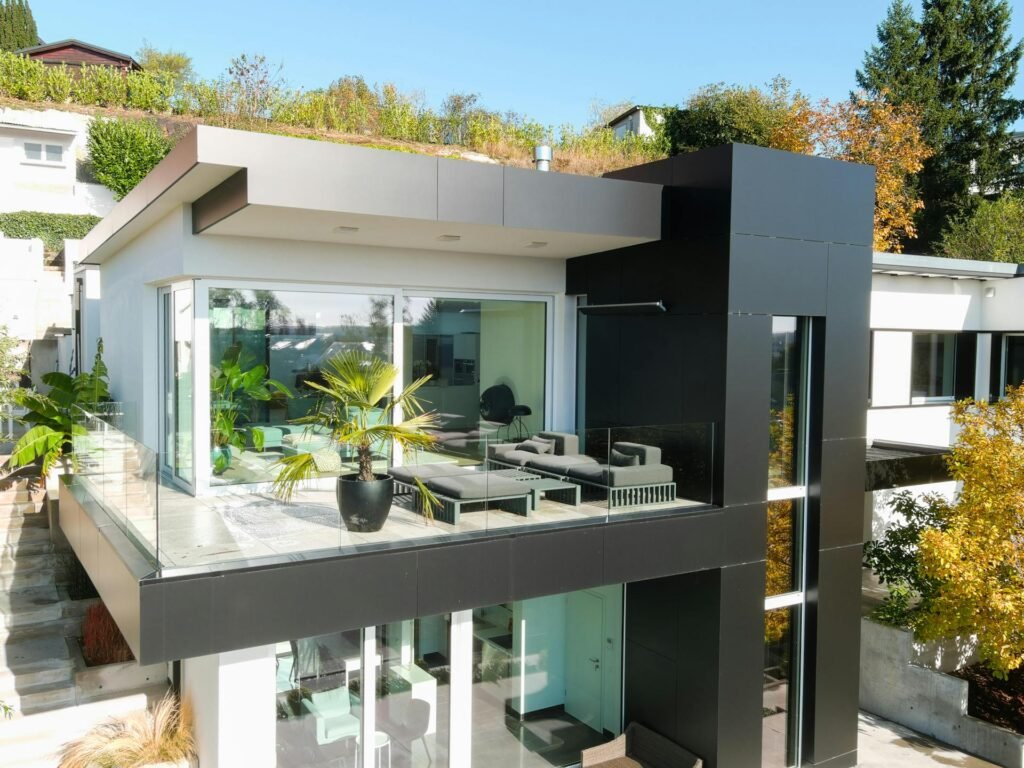
- Harmonize with nature. Look at the dominant tones in your environment. A balcony surrounded by city glass may call for sleek monochromes, while a garden demands earthy tones.
- Seasonal shifts. Don’t fear changing cushion covers or tablecloths by season: sunflower yellows in summer, burnt oranges in autumn, deep greens in winter, fresh pastels in spring.
Color is memory. When you choose a palette, you choose what emotional imprint the space will leave on its visitors.
4. The Magic of Textures
If color is what the eyes see first, texture is what the soul remembers. Outdoor furniture, often hard and functional, begs for tactile tenderness.
- Cushions and pillows. Layer different textures: smooth linen against chunky knit, silky fabric against rustic burlap.
- Throws. Lightweight cotton throws for summer, heavy wool blankets for winter evenings. Draping them casually over chairs invites human presence.
- Rugs. An outdoor rug not only defines space but softens every step. Opt for weatherproof fibers, but don’t be afraid of bold patterns.
- Natural elements. Mix textures from the earth—wood, clay, stone, jute, bamboo—to avoid monotony.
Texture tells the story of contrast: hard-soft, smooth-rough, warm-cool. Without it, outdoor furniture feels like a showroom. With it, the furniture feels like life.
5. Lighting: Painting with Shadows
No decoration of outdoor furniture is complete without light. Light transforms, elevates, and dignifies even the simplest chair.
- Fairy lights. Draped across railings or wound around trees, they whisper intimacy.
- Lanterns. Metal, glass, or bamboo lanterns placed on tables or the ground bring timeless charm.
- Candles. The oldest form of light. Cluster them in hurricanes for safety and let the flicker breathe romance.
- Solar lamps. Modern, eco-friendly, and perfect for marking paths or highlighting furniture.
- Fire pits. Not furniture per se, but when surrounded by chairs, they turn into emotional centerpieces.
Light is the poetry of decoration. It softens edges, draws focus, and awakens the soul after sunset.
6. Plants as Furniture’s Best Companion
Outdoor furniture without greenery is like music without melody. Plants frame furniture, soften its hardness, and breathe life into static spaces.
- Potted plants. Choose varying heights. Place tall palms beside lounge chairs, medium shrubs beside sofas, and small herbs on tabletops.
- Hanging plants. Perfect for balconies. Let them cascade like green waterfalls over railings.
- Climbing vines. Train them over pergolas or fences to create natural walls.
- Seasonal flowers. Rotate blooms—lavender in summer, chrysanthemums in autumn—for constant renewal.
Plants don’t just decorate; they transform the air, the mood, and even the soundscape as leaves rustle in the wind.
7. Small Objects, Big Stories
Sometimes it’s the smallest decorative choices that make outdoor furniture unforgettable.
- Trays. A rustic wooden tray on a coffee table organizes candles, drinks, or books.
- Throws and pillows. Not just for comfort, but for storytelling—ethnic prints, handmade embroidery, or symbolic colors.
- Tableware. Even everyday glasses can be swapped for colorful tumblers or ceramic mugs that sparkle outdoors.
- Wind chimes. Let sound decorate the silence.
- Art pieces. Outdoor-safe sculptures, painted stones, or handmade pottery enrich with character.
These objects become conversation starters. They remind us that beauty often hides in details.
8. The Power of Arrangement
Decoration is not only about what you add but how you arrange it. Furniture placement is as much design as it is psychology.
- Circular layouts foster conversation and equality. Place chairs around a low table.
- Linear layouts maximize views. Perfect for terraces overlooking landscapes.
- Nooks invite intimacy. A bench beneath a tree, flanked by plants, becomes a secret retreat.
- Symmetry vs. asymmetry. Symmetry feels formal and timeless, while asymmetry feels organic and relaxed.
The way you arrange your outdoor furniture decides whether people linger or leave.
9. Weather and Durability: Beauty That Lasts
No decoration lasts without respect for weather. Cushions must be weather-resistant, rugs must be UV-protected, furniture covers must be ready for rain. Beauty without durability is a broken promise.
- Choose performance fabrics. Acrylic, polyester blends, or specially treated cottons.
- Seal wood. Protect it from moisture and sunlight.
- Rust-proof metals. Opt for powder-coated finishes.
- Storage. Invest in a stylish storage bench or box to tuck away fabrics during storms.
Decoration is responsibility. To honor your furniture, you must shield it.
10. Personalization: The Soul of Decoration
In the end, no magazine spread or Pinterest board can decorate your outdoor furniture better than you. The most unforgettable spaces are personal, not perfect.
- Frame a photo in a weatherproof frame and place it on the table.
- Use handmade pottery from a trip.
- Sew cushion covers from old fabric with stories.
- Paint the wooden bench in the color of your childhood door.
Decoration becomes unforgettable when it becomes you.
11. Creative Themes to Explore
For those who seek deeper inspiration, here are themes that can guide your decorative choices:
- Mediterranean escape. Whitewashed furniture, cobalt cushions, terracotta pots, olive trees.
- Bohemian retreat. Layered rugs, patterned cushions, lantern clusters, eclectic pottery.
- Zen minimalism. Simple wooden furniture, bamboo screens, stone lanterns, monochrome palette.
- Rustic farmhouse. Distressed wood, plaid textiles, galvanized metal trays, mason jar candles.
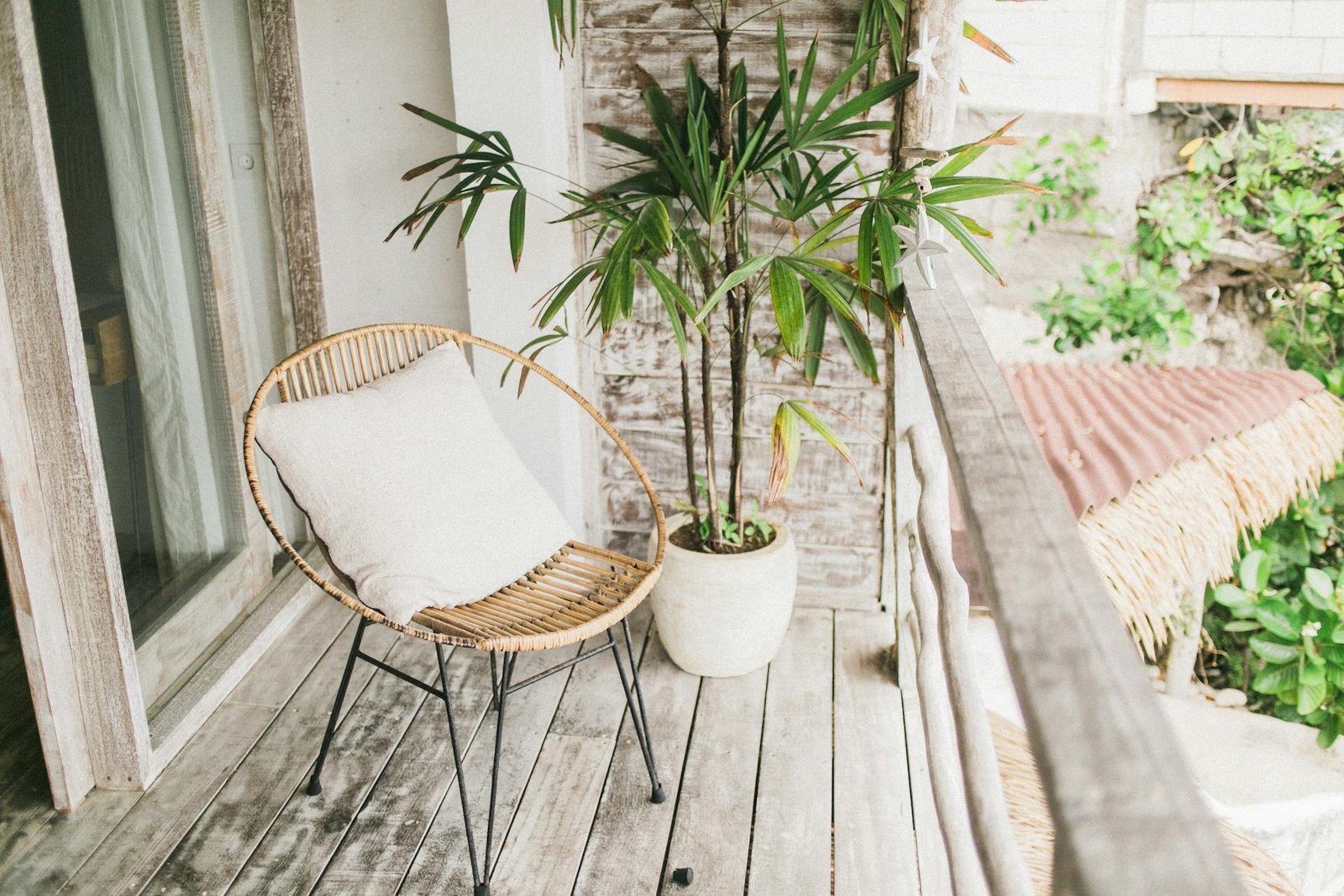
- Tropical paradise. Rattan furniture, palm prints, vibrant colors, tiki torches.
Themes don’t cage you; they give you a starting language.
12. The Philosophy of Decorating Outdoor Furniture
Finally, step back. Look at your decorated outdoor furniture not as objects, but as living extensions of yourself. Every chair you soften, every light you hang, every plant you nurture—all of it is a declaration: I honor this space. I honor this life.
Outdoor decoration is not for Instagram. It is for memory. For the evenings when laughter spills over the railing. For the mornings when you drink coffee with birdsong. For the storms when you watch raindrops dance on your cushions.
To decorate outdoor furniture is to decorate time itself.
Conclusion: A Living Poem Under the Sky
Your outdoor furniture is not waiting to be merely “pretty.” It is waiting to be alive. When you decorate with intention, texture, light, plants, and soul, you turn wood and fabric into sanctuary. You transform empty patios into stages for connection, balconies into meditations, gardens into love letters.
So step outside. Touch your furniture. Imagine the life you want it to host. And then—decorate not with trends, but with truth. Because when you decorate outdoor furniture with your whole heart, you don’t just create a beautiful space.
You create a living poem under the sky.