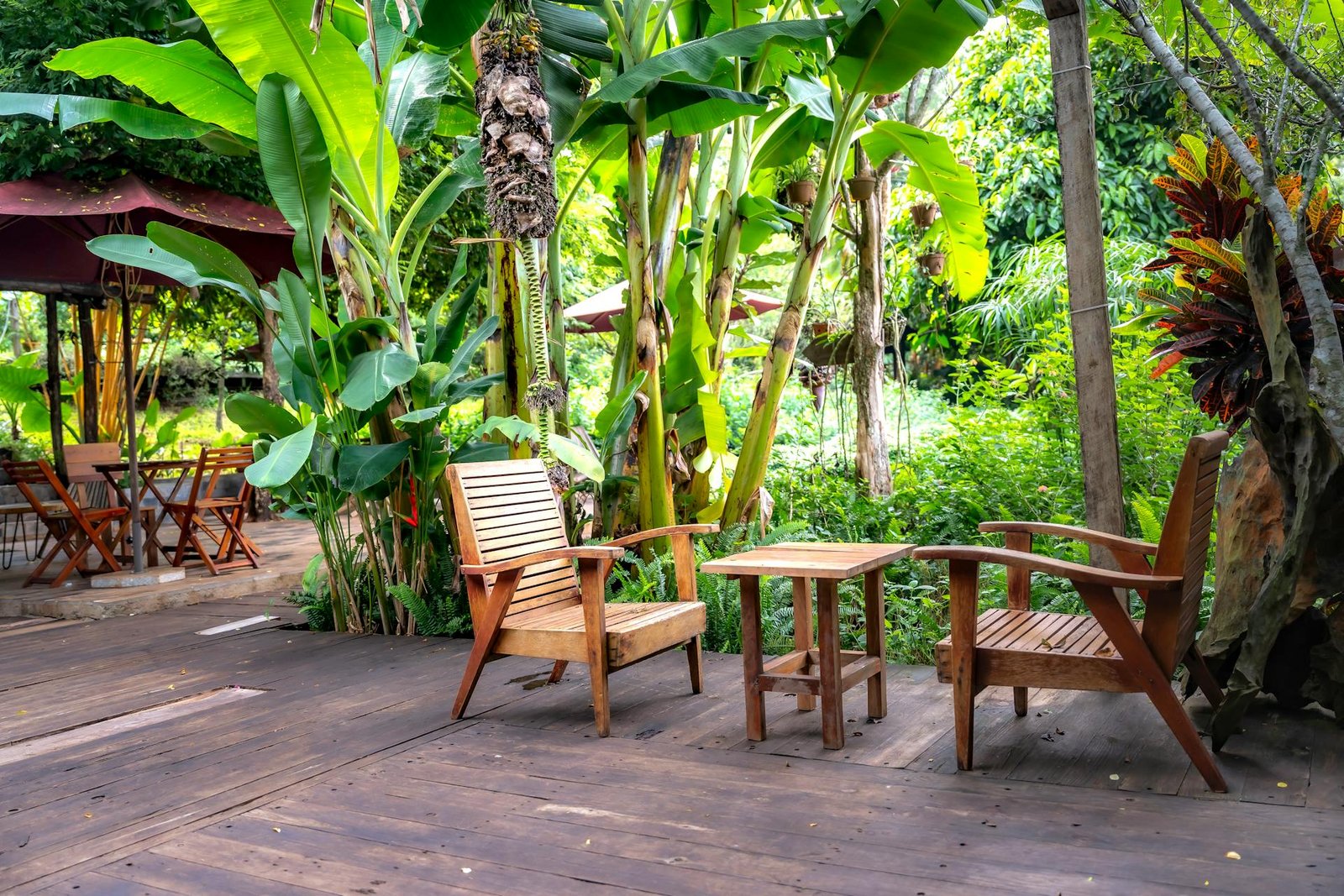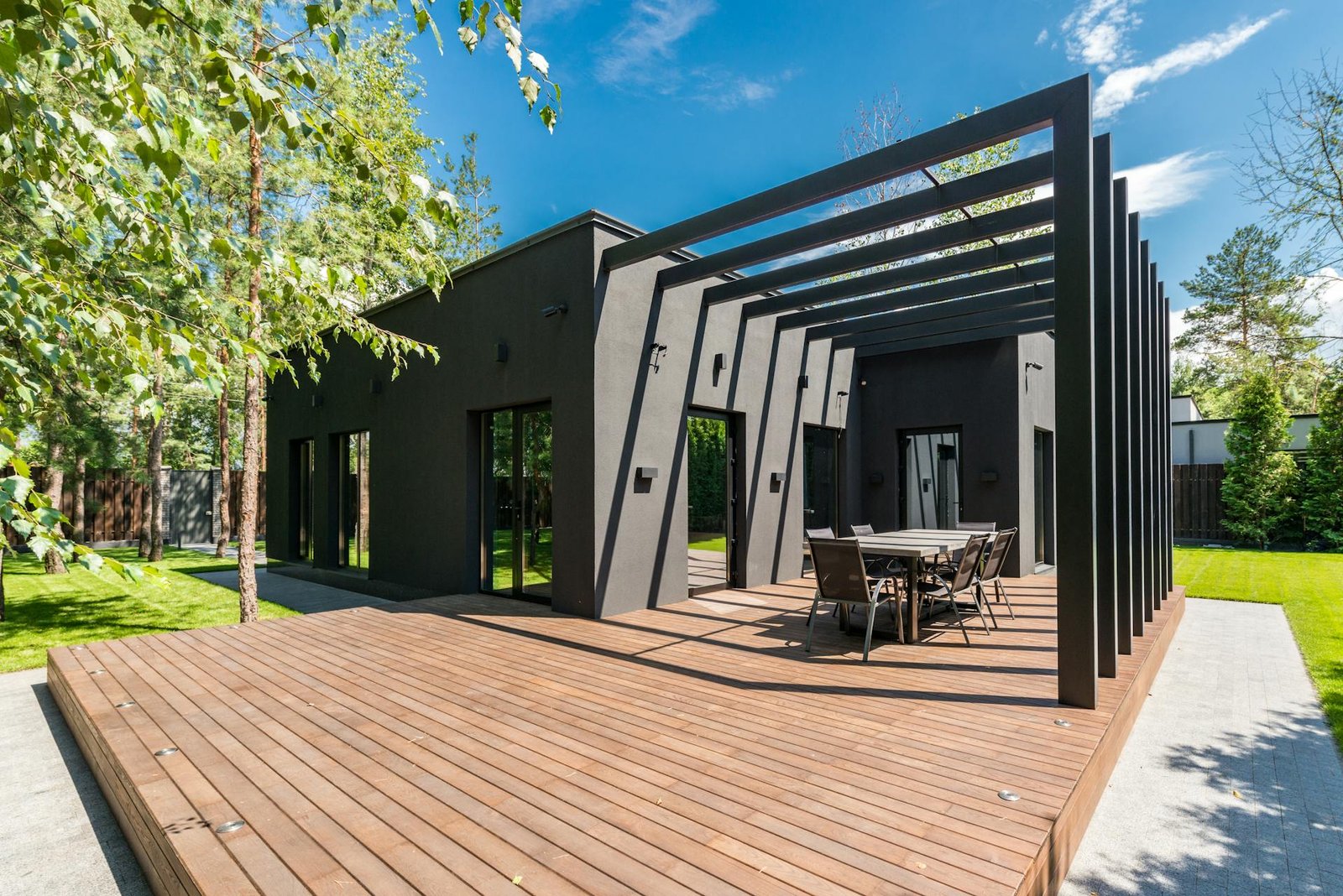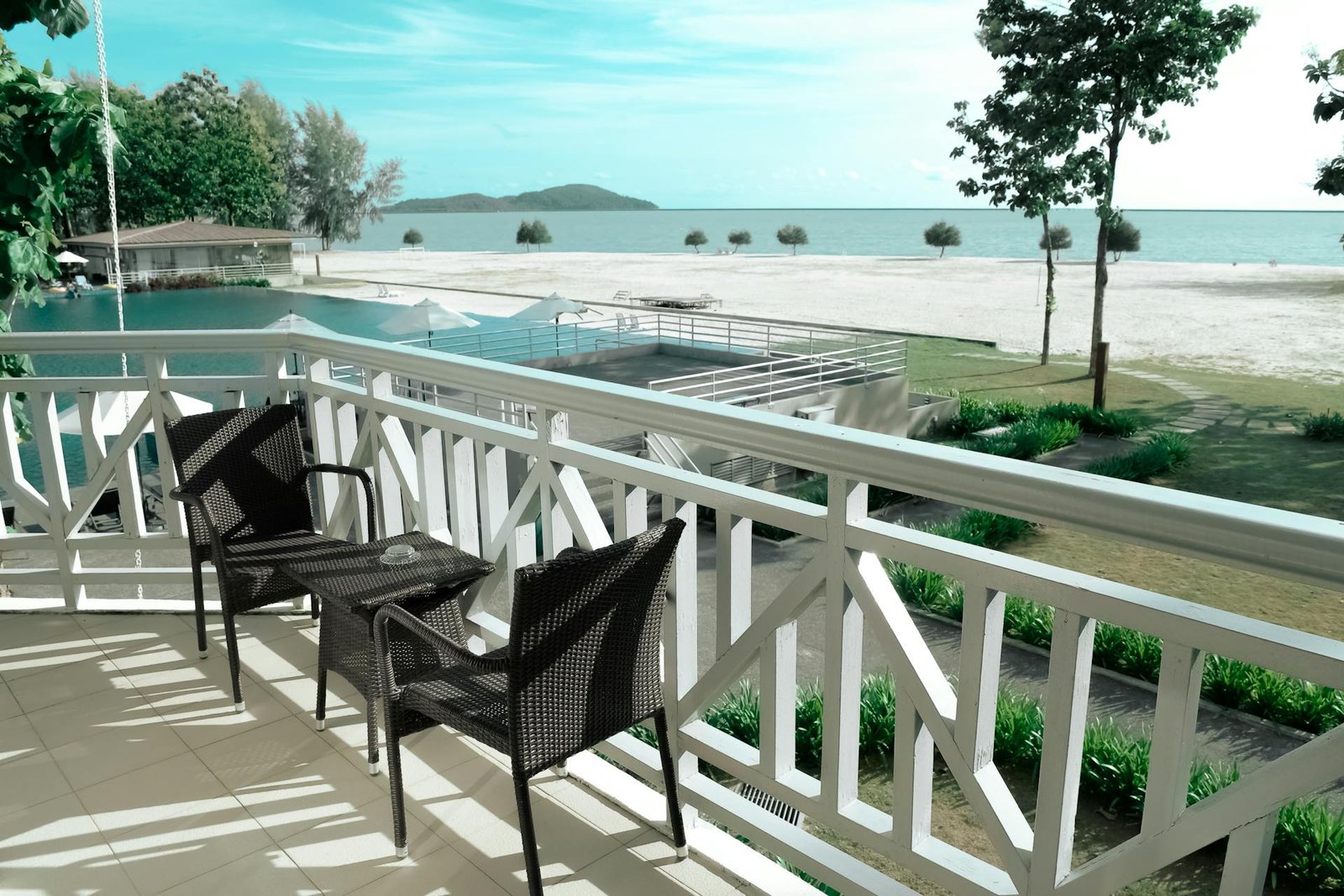

Outdoor furniture is more than just tables, chairs, and loungers scattered in a garden or patio. It is a language of hospitality, a silent conversation between design and comfort, a translation of nature into form. To find the right supplier of outdoor furniture in Vietnam is not a mere transaction. It is a pilgrimage—one that requires patience, clarity, and courage.
Vietnam has emerged in the last two decades as a quiet powerhouse in furniture manufacturing. With its blend of artisanal traditions, rapidly modernizing factories, abundant natural resources, and an unstoppable entrepreneurial spirit, Vietnam offers something that few other countries can match: quality outdoor furniture at scale, wrapped in a story of craftsmanship.
But how do you, as a business owner, designer, or dreamer, actually find an outdoor furniture supplier in Vietnam? How do you cut through the fog of Google searches, the cacophony of trade shows, and the uncertainty of cultural differences to arrive at a partnership that feels like destiny?
This article—crafted not as a checklist, but as a living, breathing guide—will walk you through that journey. It will take you by the hand and lead you into the heart of Vietnam’s outdoor furniture world. By the end, you will not only know how to find a supplier, but also why the process itself can transform the way you see business, people, and the art of building something together.
I. Why Vietnam for Outdoor Furniture?
Before learning how to find suppliers, you must understand why Vietnam has become one of the most compelling destinations for outdoor furniture.
1. The Abundance of Materials
Vietnam is blessed with a wealth of natural resources. Teak, acacia, eucalyptus, and rattan thrive here, making it an Eden for outdoor furniture. Synthetic materials like PE rattan, powder-coated aluminum, and weather-resistant textiles are also widely produced, giving suppliers the ability to blend tradition with modern durability.
2. The Craftsmanship Spirit
Vietnamese furniture is not mass-produced in the soulless way you might imagine from some global suppliers. Many manufacturers grew from family-run workshops. The pride of handwoven rattan, the precise curve of bamboo, and the careful sanding of acacia wood are not just steps in production—they are cultural signatures.
3. The Global Stage
Vietnam now ranks among the top furniture exporters in the world, competing with giants like China and Poland. Outdoor furniture, in particular, has found eager markets in Europe, North America, and Australia. The infrastructure is robust: seaports like Hai Phong and Ho Chi Minh City hum with containers filled with furniture heading westward.
4. The Sweet Spot of Cost and Quality
Vietnam offers what business people call the “golden balance.” The costs are significantly lower than Western countries, yet the quality rivals, and often surpasses, global standards. This rare alignment makes Vietnam irresistible for brands looking to scale.
II. The Philosophy of Finding a Supplier
Finding a supplier is not about chasing the lowest price or the fastest delivery. It is about building trust. Outdoor furniture, especially, demands a deep collaboration between buyer and maker. You are not just buying chairs—you are buying into a relationship.
When you search for a supplier in Vietnam, you are engaging in cross-cultural diplomacy. You are bridging worlds. The supplier is not just your vendor; they are your partner in shaping comfort for thousands of people who will one day sit in those chairs and feel at home.
Think of supplier-finding as a courtship. You must research, approach, test, negotiate, and finally, commit. Only then can the partnership blossom into something enduring.
III. Where to Begin Your Search
Now let us move from philosophy to practice. Here are the most reliable gateways into Vietnam’s outdoor furniture ecosystem:
1. Online B2B Platforms
Websites like Alibaba, Global Sources, and Made-in-China (yes, Vietnam suppliers list there too) are starting points. But do not stop at the glossy pictures. Dive deep into company profiles, cross-check certifications, and pay attention to how quickly and thoughtfully suppliers respond to inquiries.
Increasingly, Vietnam-focused platforms such as Vietnam Export, Vietrade.gov.vn, and local chamber of commerce directories are surfacing as treasure maps for serious seekers.
2. Trade Shows
Events like VIFA-EXPO (Vietnam International Furniture & Home Accessories Fair) in Ho Chi Minh City or VietnamWood bring together the best of the industry. Walking through those halls is like stepping into a universe of possibilities: rattan loungers with elegant curves, acacia dining sets that seem carved from poetry, and synthetic wicker sofas designed for durability under harsh sun.
Trade shows are not just product exhibitions; they are arenas of trust. Meeting suppliers face-to-face gives you intuition about their seriousness, their warmth, and their ability to align with your vision.
3. Factory Visits
Vietnam is not a country you should try to understand through the internet alone. The air smells different in Binh Duong, Dong Nai, and Binh Dinh—regions where furniture factories cluster. Walking into a factory allows you to hear the whir of machines, see the stacks of timber, and feel the energy of workers weaving and sanding.
A visit transforms suppliers from abstract emails into living, breathing partners. It tells you more in an hour than weeks of correspondence ever could.
4. Sourcing Agents
If time and cultural barriers overwhelm you, consider hiring a Vietnam-based sourcing agent. These professionals live and breathe the market, speak the language, and know which factories are trustworthy. A good agent can save you from scams, delays, and miscommunications that derail many first-time buyers.
IV. What to Look for in a Supplier
Finding a supplier is not just about locating someone. It is about finding the right one. Here are the key dimensions you must evaluate:
1. Quality and Durability
Outdoor furniture must survive rain, sun, wind, and time. Ask about the supplier’s material treatments—are woods kiln-dried? Are metals powder-coated? Are textiles UV-resistant? A supplier’s answer will reveal whether they understand the demands of outdoor use or are just repackaging indoor designs.
2. Production Capacity
Can the supplier handle large orders consistently? Some factories excel in artistry but stumble with volume. Clarify production lead times, maximum monthly output, and their history of scaling up for international buyers.
3. Certifications
Look for FSC (Forest Stewardship Council) certification for wood, BSCI or SEDEX for social responsibility, and other global standards. These not only reassure you of quality but also ensure your products can cross borders without headaches.
4. Communication Style
This is the invisible yet critical element. How responsive is the supplier? Do they answer questions clearly or vaguely? Are they proactive in suggesting improvements? Communication is the bloodstream of your partnership.
5. Price Transparency
Do not be seduced by rock-bottom prices. Lowball quotes often mean shortcuts in material or labor practices. Instead, seek suppliers who can break down costs honestly and explain where your money is going.

V. Building the Relationship
Once you identify promising suppliers, the real work begins: cultivating a relationship that can withstand storms.
1. Start Small
Do not begin with a massive order. Test them with samples, then a pilot order. This protects you from risk while giving them a chance to prove reliability.
2. Visit Regularly
In Vietnam, relationships grow through presence. When you visit a supplier’s factory, share a meal, or even drink tea together, you enter their trust circle. This cultural intimacy pays dividends in smoother negotiations and better service.
3. Be Clear but Flexible
State your requirements firmly—dimensions, durability standards, deadlines—but also show flexibility when genuine challenges arise. Outdoor furniture is often affected by raw material fluctuations or weather delays. Mutual respect goes further than rigid ultimatums.
4. Pay Fairly
Remember: every dollar you squeeze unfairly might come at the cost of a worker’s livelihood or material quality. Negotiate wisely, but honorably. A supplier who feels respected will return that respect tenfold.
VI. Common Pitfalls to Avoid
As in any global sourcing journey, there are shadows. Beware of these traps:
- Assuming All Suppliers Are Equal – Some factories specialize in high-end teak, others in budget PE rattan. Match their DNA to your brand’s DNA.
- Skipping Quality Control – Always inspect goods before shipment, either personally or via a third-party QC service.
- Over-Focusing on Price – Vietnam is affordable, yes, but your goal is value, not cheapness.
- Ignoring Cultural Nuances – Patience, humility, and courtesy go further in Vietnam than aggression or rushing.
VII. The Emotional Core of Sourcing
Here is the part few guides will tell you: finding a supplier in Vietnam is not just a business process—it is a profoundly human one.
When you walk into a workshop and see a woman weaving rattan strands with a rhythm inherited from her grandmother, you realize you are not just buying furniture. You are inheriting centuries of craft.
When a factory owner proudly shows you the rows of acacia wood drying under the sun, you realize he is not just filling containers. He is carrying forward a legacy of sustainable use of resources.
Every piece of outdoor furniture carries fingerprints, sweat, and pride. When you find the right supplier, you are not just securing a business deal. You are participating in a story that spans oceans.

VIII. The Final Blueprint
To crystallize this odyssey, here is a step-by-step blueprint:
- Research broadly online. Build a longlist.
- Narrow down via trade shows and verified directories.
- Contact 5–10 suppliers. Evaluate responsiveness.
- Request samples. Test durability and finish.
- Visit factories if possible. Observe culture and capacity.
- Pilot order. Small but real.
- Conduct quality control checks. Adjust where needed.
- Build relationship through presence, fairness, and clarity.
- Scale orders gradually. Grow together.
IX. Conclusion: More Than Just Furniture
In the end, finding an outdoor furniture supplier in Vietnam is not a checklist but a dance. It is about listening to the heartbeat of a country where tradition meets ambition, where bamboo and aluminum coexist, where factories hum with the spirit of resilience.
Yes, you will find chairs, tables, and loungers. But more importantly, you will find partners, stories, and memories.
The garden you furnish tomorrow with Vietnamese furniture will not just hold objects. It will hold the soul of a journey—your journey—to connect across continents, to build trust across cultures, and to weave commerce with compassion.
And that is how you find not just a supplier, but a masterpiece partner in Vietnam.