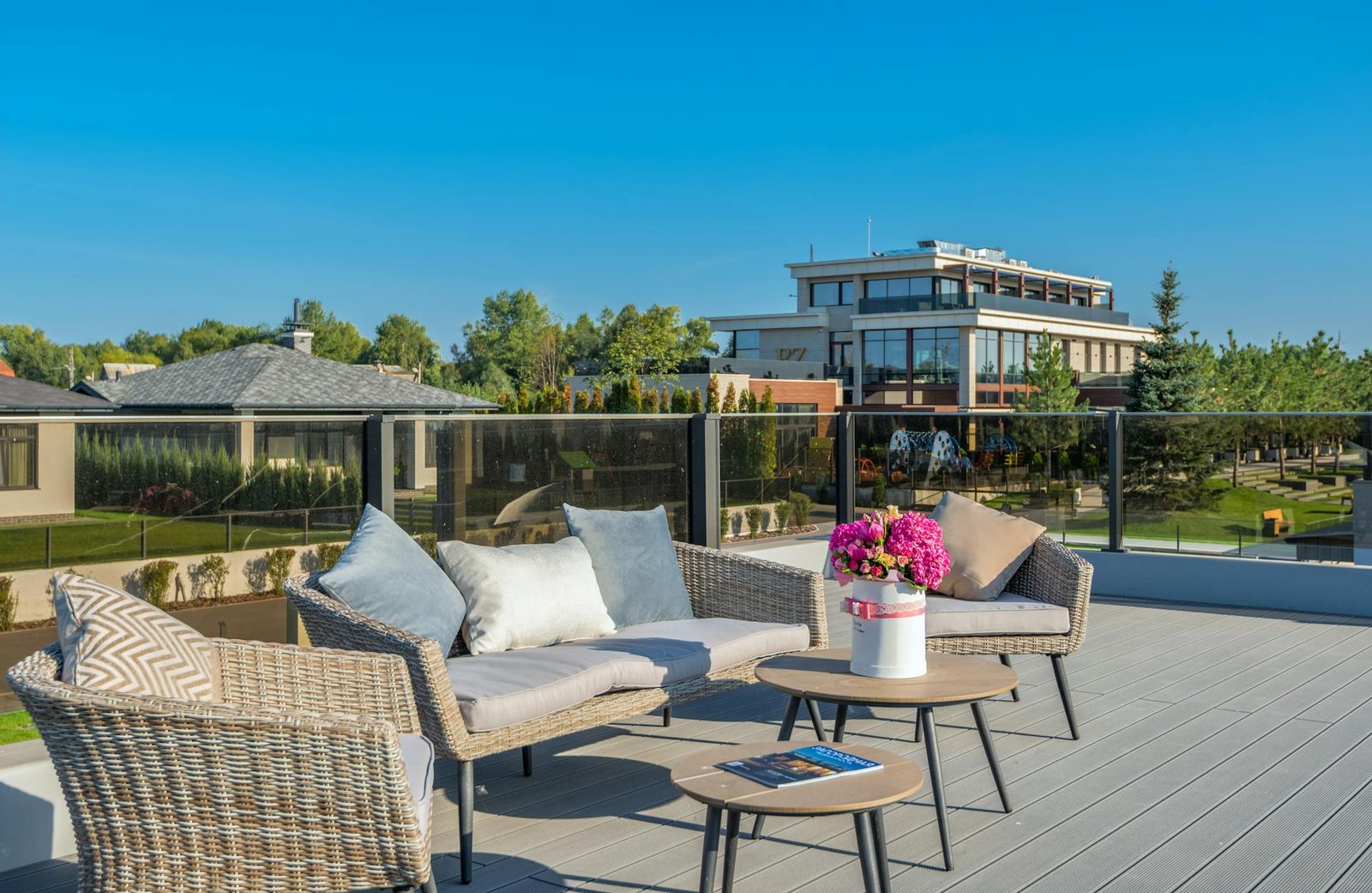
There is something about rattan furniture that stays with us long after we’ve left the room—a softness, a warmth, an unspoken invitation to slow down. Long before it became a trend in glossy magazines or Instagram feeds awash in boho sunlight, rattan existed as a symbol of patience, craftsmanship, and the quiet artistry of nature. Maybe that is why, even as our interiors grow increasingly modern and minimalistic, our hearts keep reaching back for something organic, something handmade, something with texture and soul.
This guide is not just a catalog of styles or a technical manual on care—though you will certainly find both here. It is also a reflection on why rattan resonates so deeply with people, how it bridges design and emotion, and what makes it such a beloved companion in contemporary homes. Whether you are furnishing a sunny patio, curating a peaceful reading nook, or simply exploring alternatives to mass-produced furniture, understanding the story and substance of rattan can help you choose pieces that will enrich not just your home, but your way of living.
1. Understanding Rattan: More Than a Material
To appreciate rattan furniture, you must first understand rattan itself. Rattan is not wood, though many assume it is. It is a vine—long, slender, incredibly flexible—native to the rainforests of Southeast Asia, where it grows wild through lush canopies. Unlike timber, rattan does not require heavy machinery to harvest. It is often collected by hand, climbing into the forest rather than carving it down. There’s something poetic about that: a material born from upward growth, not destruction.
Rattan is prized for three qualities that make it uniquely suited for furniture making:
Strength
Rattan is tough—astonishingly so. Its fibers are dense and fibrous, giving it the ability to support weight without snapping. Despite its lightness, it rivals hardwood in durability.
Flexibility
Few materials can bend as gracefully as rattan. This flexibility makes possible those elegant arches and swooping forms that give rattan furniture its instantly recognizable silhouette.
Texture
Rattan has a tactility modern materials struggle to replicate. When you run your hands along its surface, it feels like something alive—not cold or manufactured, but warm, textured, human.
Because rattan is a natural vine, each piece carries slight variations in shade, thickness, and grain—tiny imperfections that are, paradoxically, the source of its perfection. You are not just buying a chair or table; you are embracing nature’s fingerprint.
2. Types of Rattan Used in Furniture
Before diving into styles, it helps to know the distinctions between the different forms of rattan. Each contributes something unique to the final product.
Natural Rattan
This is the purest form, used for classic woven chairs, side tables, and baskets. Natural rattan retains its organic look—knots, nodes, and all. The color ranges from pale honey to warm caramel.
Cane
Cane is the outer bark of the rattan vine. Thin, smooth, and slightly glossy, it is often used for weaving chair seats or the iconic caned backrests beloved in mid-century design.
Wicker
Wicker is not a material but a technique—interlacing thin strands of rattan, cane, bamboo, or even synthetic fibers. Many people use “rattan furniture” and “wicker furniture” interchangeably, but wicker simply describes the weaving style.
Synthetic Rattan (Resin Rattan)
Created for outdoor durability, synthetic rattan mimics the appearance of the natural vine but resists moisture, UV rays, and mold. It’s ideal for poolside lounges, outdoor sofas, and patio dining sets.
Natural and synthetic rattan complement each other. One offers soul; the other offers endurance. Knowing the difference allows you to choose intentionally—not simply aesthetically, but functionally.

3. Popular Styles of Rattan Furniture
Rattan furniture is not confined to one aesthetic. Beneath its humble natural origins lies a chameleon-like versatility. Here are the most beloved styles—and how to recognize them.
3.1. Coastal & Tropical Style
Inspired by breezy seaside homes and sunlit verandas, this style leans heavily on rattan’s airy, relaxed presence.
Characteristics:
- Soft curves
- Open weaves
- Light, sun-washed colors
- Cushions in whites, sands, and muted blues
Coastal rattan invites calm. It doesn’t shout; it soothes. A coastal rattan armchair, paired with linen throws and seashell tones, can make even a city apartment feel like a weekend retreat.
3.2. Bohemian (Boho) Style
If coastal rattan breathes serenity, boho rattan bursts with creativity. It thrives on expressive shapes and layered textures.
Characteristics:
- Intricate weaving patterns
- Mix of round and geometric shapes
- Earthy, eclectic décor pairings
- Abundant plants, textiles, and global influences
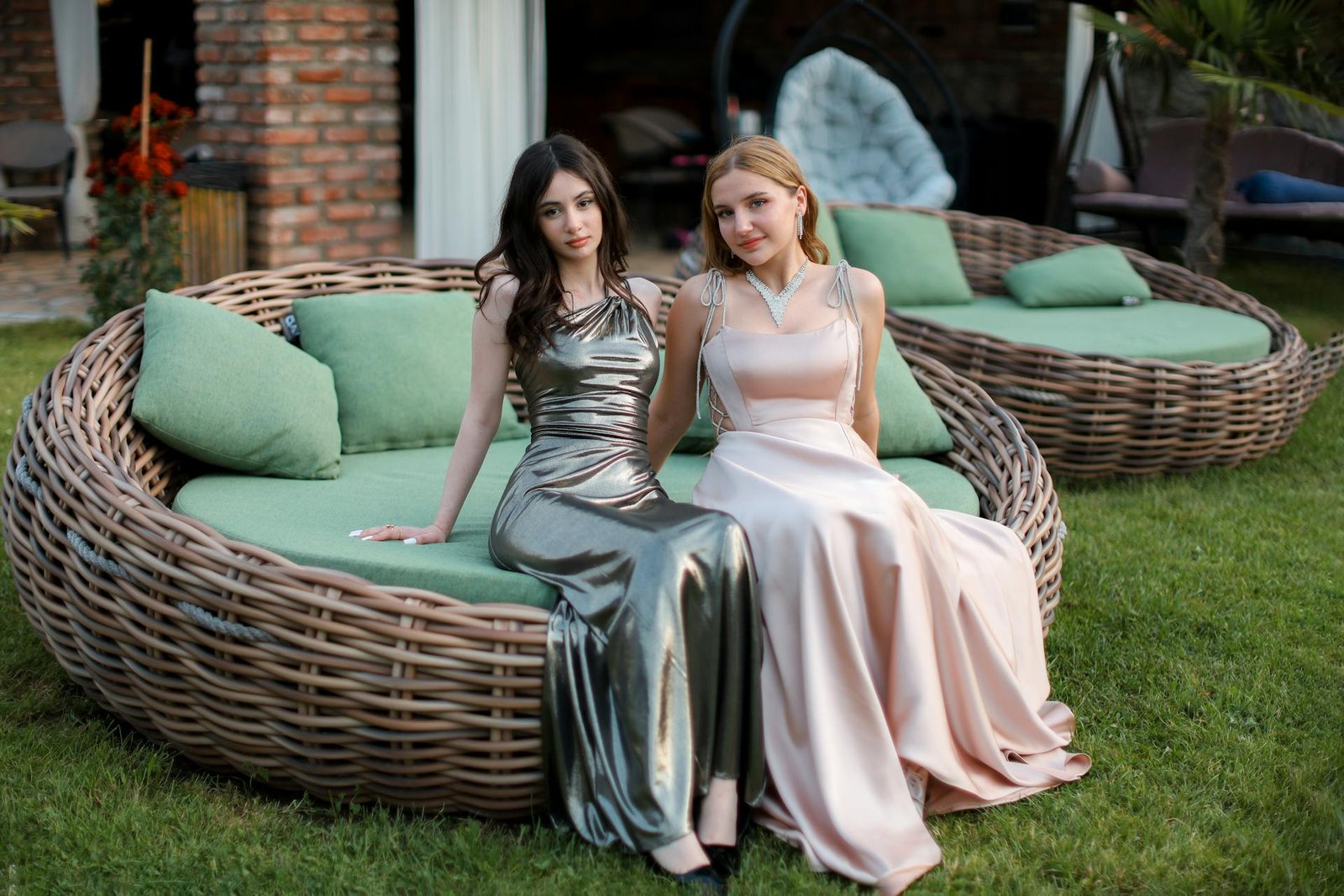
Boho rattan pieces often become the centerpiece of a room—peacock chairs, sculptural loungers, woven daybeds. They embody free-spirited living.
3.3. Mid-Century Modern
This may surprise some, but rattan played a significant role in mid-century design. Its minimalist lines and warm tones complement the mid-century ethos of simplicity blended with organic elements.
Characteristics:
- Clean silhouettes
- Cane-woven panels
- Wooden frames paired with rattan accents
- Warm, neutral palettes
Think: caned lounge chairs with sharp teak frames, cane sideboards, or rattan-wrapped drawer fronts.
3.4. Scandinavian Style
Scandinavian interiors prize natural materials and understated elegance—rattan fits beautifully into this philosophy.
Characteristics:
- Light finishes
- Functional, minimalistic design
- Neutral or pastel color pairings
- A focus on comfort and simplicity
Rattan in a Scandi home feels like a whisper of nature—a soft counterpoint to the clean lines and bright whites.
3.5. Rustic & Farmhouse
In farmhouse and rustic interiors, rattan’s earthy authenticity becomes a grounding element.
Characteristics:
- Thick weaves
- Natural, unvarnished finishes
- Chunky, sturdy pieces
- Combination with reclaimed wood and soft fabrics
These pieces feel timeless, as though they have belonged to the home for generations.
4. Why People Love Rattan: Benefits That Go Beyond Aesthetics
Rattan doesn’t just appeal to the eye—it appeals to the heart and to the senses. Here are the reasons it has endured for centuries and continues to rise in popularity.
4.1. Lightweight Yet Strong
Rattan’s structure allows it to support significant weight without being heavy itself. You can rearrange your living room without breaking a sweat or lift a chair with one hand. This practicality makes rattan an easy choice for dynamic households—families who entertain, redecorate, or move often.
4.2. Eco-Friendly and Sustainable
In an era where consumers increasingly question the environmental impact of their choices, rattan stands out as a responsible material:
- It grows quickly and renewably.
- Harvesting rattan encourages forest preservation.
- Minimal processing reduces carbon footprint.
Choosing rattan is not just a design decision; it’s an ecological one.
4.3. Aesthetic Warmth
Rattan carries warmth—both visually and emotionally. In a home full of technology and metal edges, its presence softens the atmosphere. It harmonizes with greenery, fabrics, stone, and wood, blending seamlessly into almost any style.
4.4. Versatility in Form
Few materials can curve, bend, and twist with such elegance, allowing artisans to create everything from minimalist silhouettes to ornate statement pieces.
4.5. Long-Lasting Durability
With proper care, rattan furniture can last for decades. Natural rattan is incredibly resilient indoors. Synthetic rattan withstands harsh outdoor environments. This longevity makes it a valuable investment.
5. Choosing the Right Rattan Furniture for Your Space
Understanding what to look for can make all the difference between a piece you like and a piece you love.
5.1. Consider the Space
Indoor use:
Choose natural rattan or cane for a warm, organic touch.
Outdoor use:
Select synthetic rattan designed to resist weather, sun, and moisture.
5.2. Check Build Quality
High-quality rattan furniture exhibits:
- Tight, even weaves
- Smooth, sanded surfaces
- Sturdy frames without wobble
- No fraying or gaps
The craftsmanship should feel intentional—not rushed.
5.3. Choose Color Wisely
Rattan colors range widely:
- Natural honey – calming and timeless
- Caramel – rich and warm
- Whitewashed – coastal and airy
- Dark espresso – sophisticated and dramatic
Pick tones that complement your existing décor and lighting.
5.4. Feel the Texture
Run your hand across the piece. Quality rattan feels smooth but not slippery, with a consistent firmness. Sharp edges or rough patches may indicate poor workmanship.
5.5. Consider Cushion Quality
Many rattan chairs and sofas rely heavily on cushions for comfort. Look for:
- High-density foam
- Removable, washable covers
- UV-resistant fabrics for outdoor pieces
Comfort is not a luxury—it’s a necessity.
6. Caring for Rattan Furniture: A Gentle Approach
Rattan is resilient but not invincible. Like anything natural, it thrives when treated with respect and care.
6.1. Regular Cleaning
Dusting:
Use a soft brush or microfiber cloth to dust weekly. Dust loves to hide in the weave.
Deep cleaning:
Mix mild soap with warm water. Lightly dampen a cloth—never soak rattan—and wipe the surface. Rattan absorbs water, so avoid oversaturation.
Dry thoroughly:
Always let the furniture dry completely in a shaded, airy spot. Moisture is rattan’s enemy.
6.2. Avoid Direct Sunlight
Natural rattan can fade or dry out when exposed to too much UV. Place pieces where they receive gentle light but not harsh, direct rays for long hours.
6.3. Keep Away from Extreme Humidity
Too much moisture can cause mold. Too little can cause brittleness. Maintain a moderate indoor climate, or use a dehumidifier in very humid regions.
6.4. Protect the Weave
Do not stand on rattan furniture or place heavy, uneven objects on woven surfaces. This can deform the weave over time.
6.5. Apply Furniture Oil (Indoor Pieces Only)
Once or twice a year, a light application of boiled linseed oil can nourish natural rattan and keep it supple. Always wipe away excess and avoid using oils on synthetic rattan.
6.6. Outdoor Care Tips
For synthetic rattan:
- Hose down gently to remove dust
- Use mild soap for stains
- Cover the furniture during heavy rain or winter months
Even synthetic fibers last longer when protected from the elements.
7. Repairing and Restoring Rattan: Keeping Legacy Pieces Alive
One of the most beautiful aspects of rattan is its capacity to be restored. Even old, worn-out rattan can be revived with patience.
7.1. Fixing Loose Weaves
Loose strands can often be rewoven or tightened. Soften them first by misting lightly with water, then reshape and secure.
7.2. Repairing Splits
Small rattan splits can be glued using wood glue and clamped gently until set. For larger damage, a skilled artisan can replace individual strands.
7.3. Repainting or Refinishing
Natural rattan can be sanded lightly and:
- Re-sealed
- Whitewashed
- Stained
This can transform an old piece into something new while preserving its history.

8. Inspiring Ways to Use Rattan in Your Home
Now that you understand styles, care, and qualities, let’s explore ideas to incorporate rattan beautifully into your living space.
8.1. Living Room
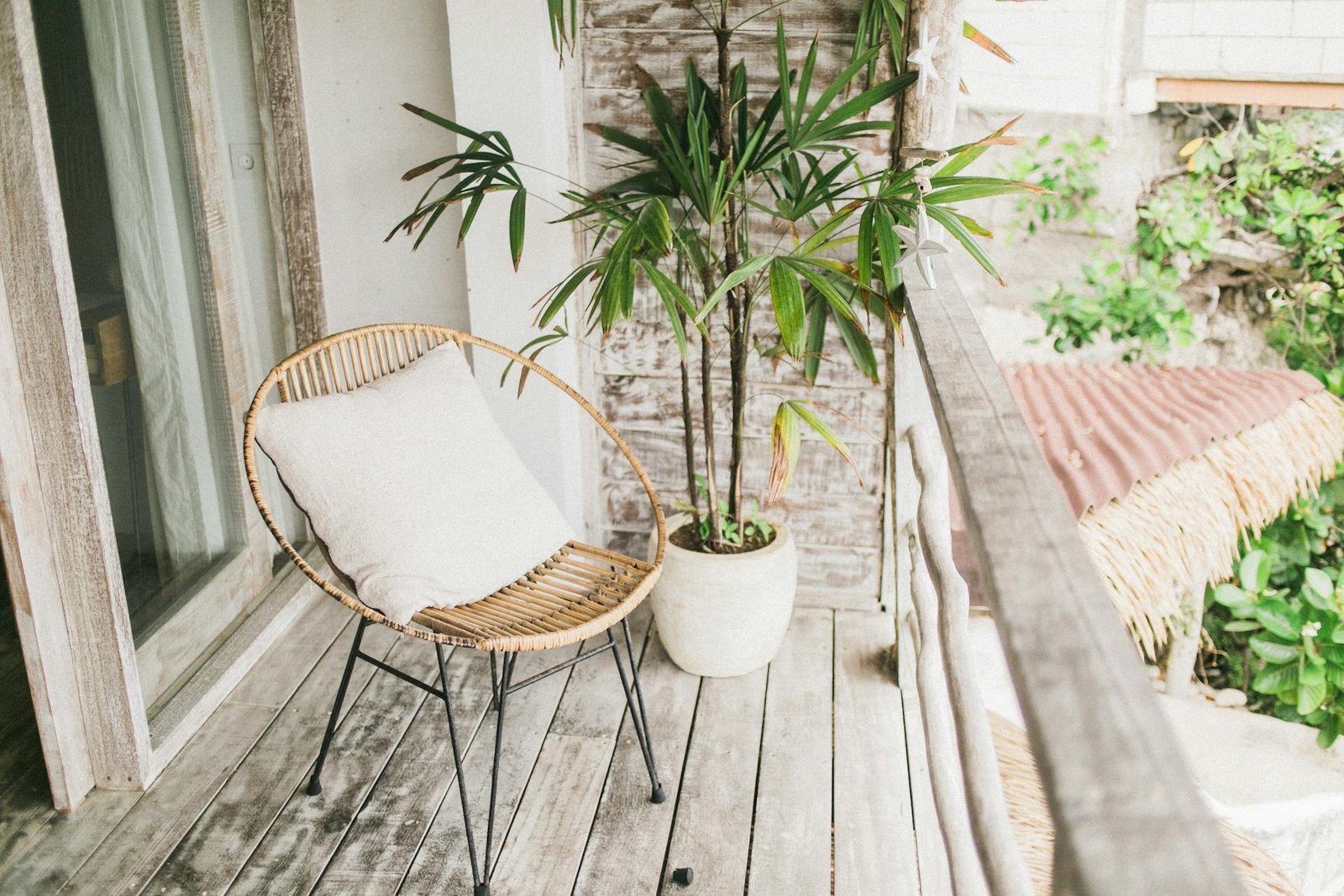
- A rattan armchair beside a leafy plant creates a cozy reading corner.
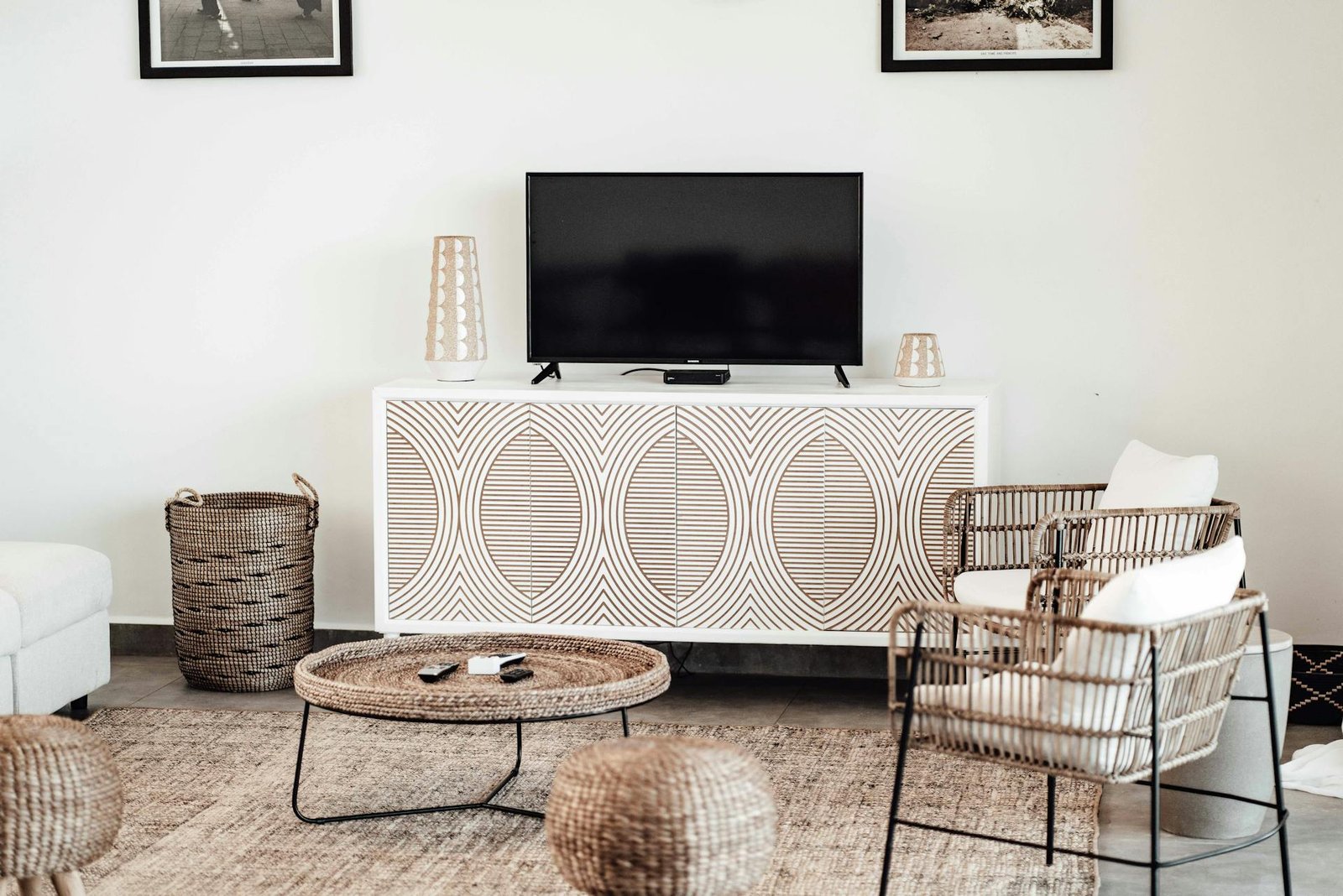
- A cane-front console adds texture without overwhelming the room.
- A woven coffee table softens harsh edges.
8.2. Bedroom
- A curved rattan headboard offers a soft, romantic silhouette.
- Bedside tables with woven panels add warmth.
- A rattan bench at the foot of the bed ties the space together.
8.3. Dining Area
- Caned dining chairs blend comfort with elegance.
- A rattan pendant light can anchor the room with gentle luminosity.
8.4. Outdoor Spaces
- Synthetic rattan lounges transform patios into resort-like retreats.
- Rattan swing chairs bring playful charm to balconies and gardens.
9. Rattan’s Emotional Role in Modern Living Spaces
This is where many guides stop—but the story of rattan goes deeper. Why do we keep returning to this material? Why does it feel so comforting, so grounding, so human?
Because rattan is a quiet reminder of connection.
In a world filled with synthetic surfaces and disposable goods, rattan furniture stands as a gentle act of defiance—a celebration of slowness, skill, and natural beauty. It carries the warmth of hands that shaped it, the whispers of forests it came from, and the invisible thread between nature and home.
When you choose rattan, you choose texture over sterility, imperfection over uniformity, and craftsmanship over mass production. You choose to surround yourself with objects that age gracefully, that hold stories, that invite touch and presence.
And maybe, without realizing it, you choose a little more calm in your everyday life.
10. Final Thoughts: Rattan as a Lifelong Companion
Rattan furniture is more than décor. It is a relationship—one that deepens with time. When cared for properly, it lasts for decades, becoming part of your home’s identity. Its versatility allows it to grow with your taste, shifting from boho to mid-century to minimalistic as your style evolves.
In choosing rattan, you are choosing something warm, enduring, and deeply human. A material shaped not by machines, but by nature and hands. A reminder that beauty doesn’t always need polish—sometimes, it simply needs honesty.
May your rattan pieces bring you comfort, connection, and the quiet joy of living with something crafted with care.